LITTLE BIG BEAT STUDIOS

AN UNASSUMING STAIRCASE, AND TWO INCHES OF TAPE ABOVE IT
A studio that records music in front of an audience and commits it to two-inch tape promises the listener something old and precious: the moment, carried all the way into the groove of the record. Can a house keep this promise when, from the first note to the lacquer cut, every step stays under the same roof, and what people stand there behind the tape machines, hang the microphones and fill the room with listeners? What does the chain of SSL console, Studer machines and Neumann cutting lathe achieve there, where the audiophile ear listens first, in the dynamics of a recording?
It began with a video review. I had published a review on the VINYL-CHECK YouTube channel in the format “Ausgepackt und Reingehört” (“Unpacked and Listened In”) when Anika Prünster got in touch, who is responsible for social media at Little Big Beat Studios in Eschen. They had taken my criticism seriously and invited me to experience on site how work is done there and what audiophiles expect of a recording. The house covered the costs of the visit; there is no business connection with the studios.
Two days were set aside, 2 and 3 October 2024, one with a studio concert, the other with conversations, and whoever wants to understand this house does best to begin with the man to whom it belongs.
KEY FACTS
- Company: Little Big Beat Studios (Little Big Beat AG)
- Location: Eschen, Principality of Liechtenstein
- Date of visit: 2 and 3 October 2024
- Occasion of visit: Invitation
- Contacts: Anika Prünster (social media), Manfred “Little” Konzett (founder and managing director)
- Studio concert: David Helbock’s Random/Control feat. Fola Dada, 2 October 2024
- Founded: 2000
- Eschen location since: 2013
- Second location: Weiler, Austria
- Services: Recording, mixing, mastering and lacquer cutting on analogue equipment, Studio Live Sessions, video production, vinyl releases
- Own label: loEnd Records
- https://www.littlebigbeat.com
HISTORY AND PEOPLE
Manfred Konzett has been called Little since childhood on the farm where he grew up, where his sister, as the youngest, named him after Little Joe of the television series Bonanza. At thirteen he played in his first band and recorded his first demo cassette, and over the years the rehearsal room increasingly became a recording studio. He stood behind the drum kit with Matt Boroff, with the band Mayfair and with Stompin Howie and the Voodoo Train.
In 2000 he opened his own studio, Little Big Beat, and began working as a producer. Later he founded the label loEnd Records, and he worked with recording engineers and producers who had sat at the desk for Peter Gabriel, Kate Bush or Prince, among them Stuart Bruce, John Kelly and Hans Martin Buff. Besides the rooms in Eschen he still runs a second location in Weiler, Austria.
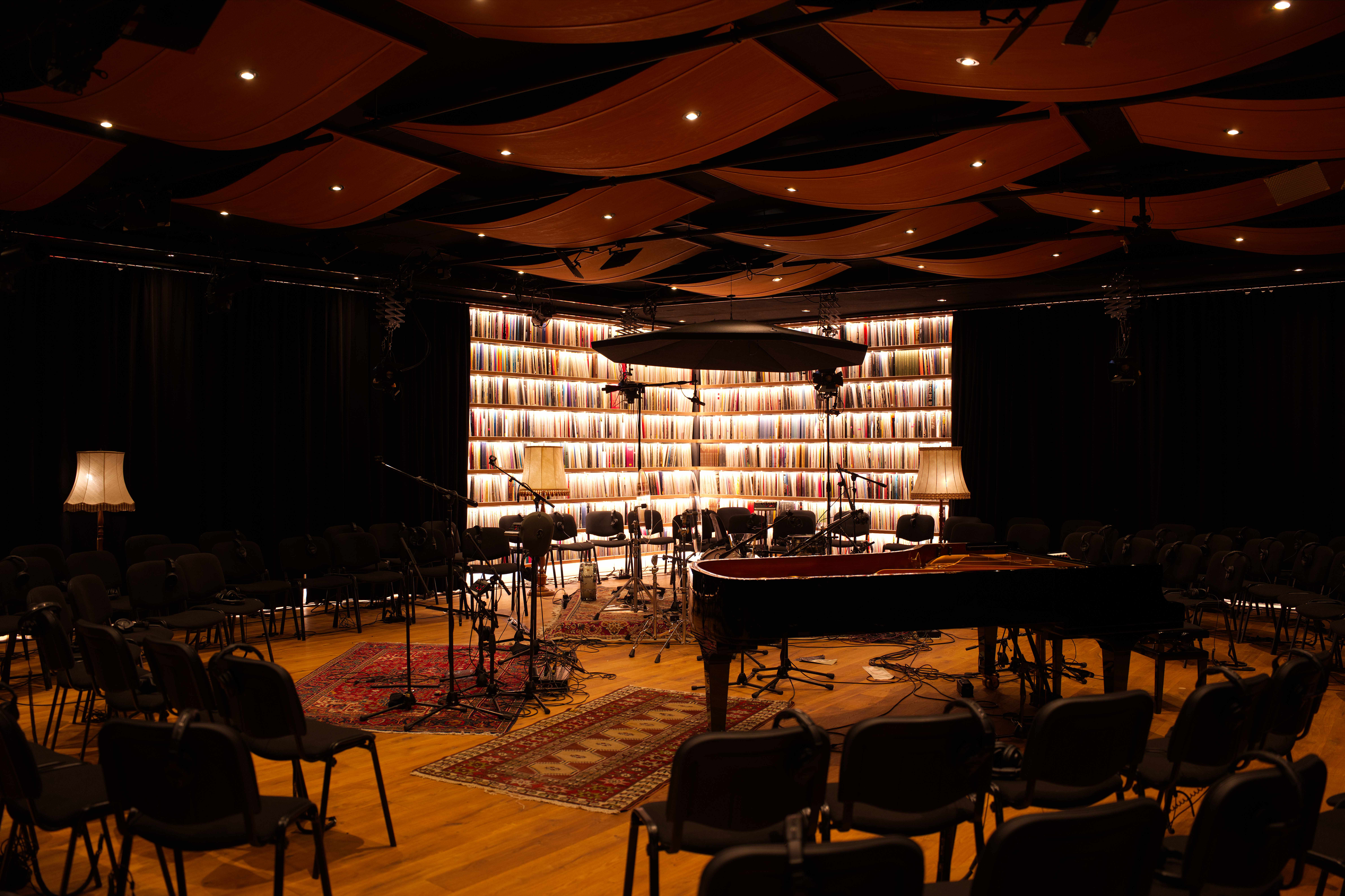
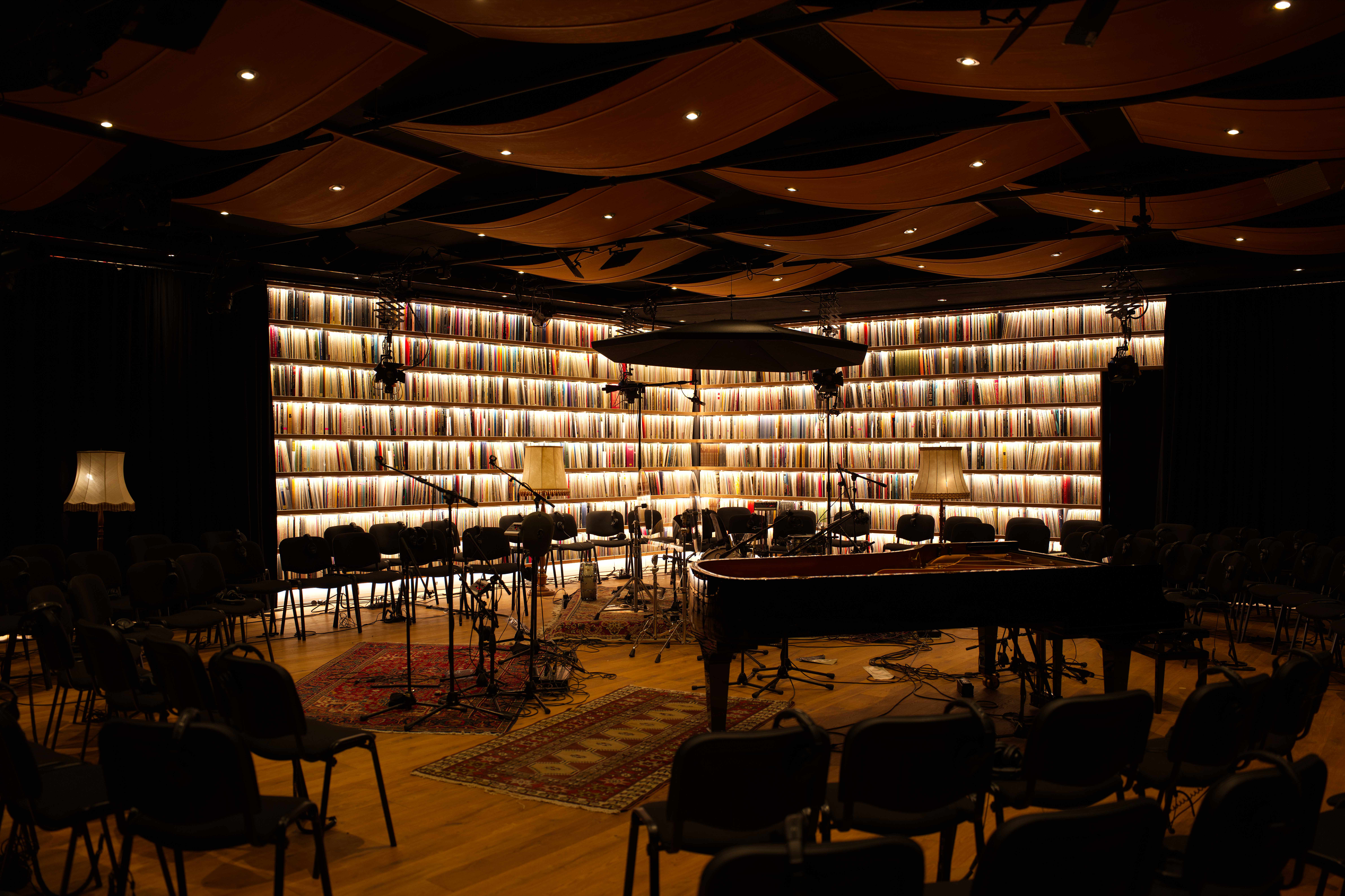
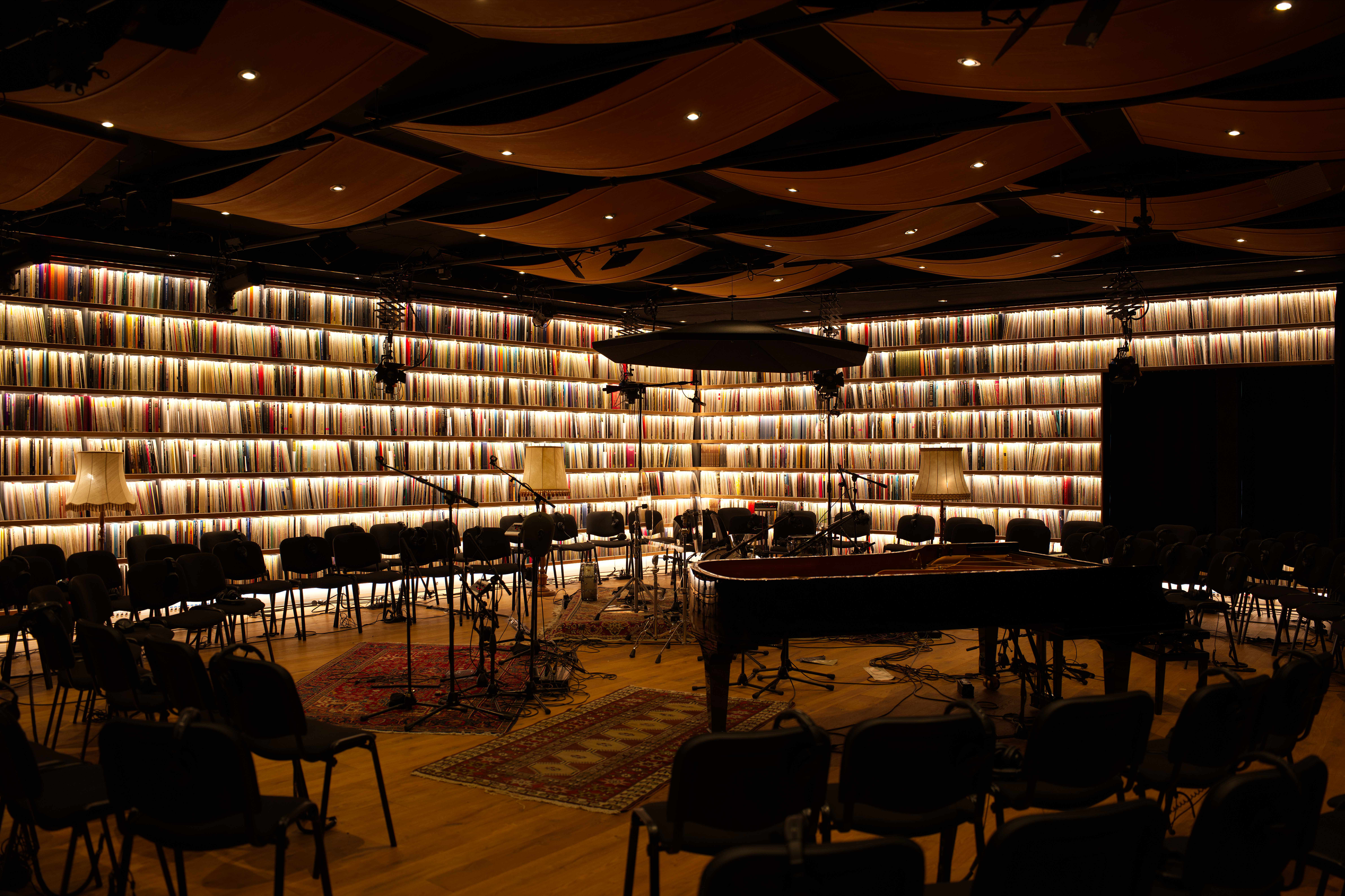
In 2013 the studio moved into its rooms in Eschen. The large recording room was once part of the Tyrolis studio and was designed in 1994 by the Swiss studio architect Peter Grueneisen, who works in Los Angeles, in the same year as the Little America studio of the producer Peter Wolf in Weiler. When Little America closed, Little rescued its ceiling sails, doors and acoustic elements and brought them to Eschen, and only years later did the original plans show that both studios came from the same pen. Together with the acoustician Dirk Noy of WSDG, the rescued parts were recalculated, tuned and fitted into the room, so that the room bears the signature of two houses.
The studio became a house for concerts. After the move, Little began recording artists live in front of an audience, and in autumn 2017 the house introduced the studio concerts. At the Studio Live Sessions the band plays in the middle of the room, the listeners sit all around, and what happens is captured on tape, without overdubs and without corrections. Every session is released on vinyl, and by now the house counts more than a hundred such evenings and over sixty records. The guest list ranges from the drummer Simon Phillips via the singer Judith Hill to Die Fantastischen Vier.
On 2 October 2024 David Helbock’s Random/Control feat. Fola Dada was on the programme. The pianist Helbock comes from Vorarlberg, studied classical piano at the Vorarlberg State Conservatory and took lessons with the New York jazz pianist Peter Madsen. His trio Random/Control, with Andreas Broger on saxophones, clarinets and flutes and Johannes Bär on brass instruments, drums and voice, had previously released three albums, in 2010 and 2014 on Traumton, in 2018 on ACT. The second, “Think of Two”, was devoted to Thelonious Monk and Hermeto Pascoal, and the Brazilian musician was so taken with it that he recorded a piece in Brazil especially for the record.
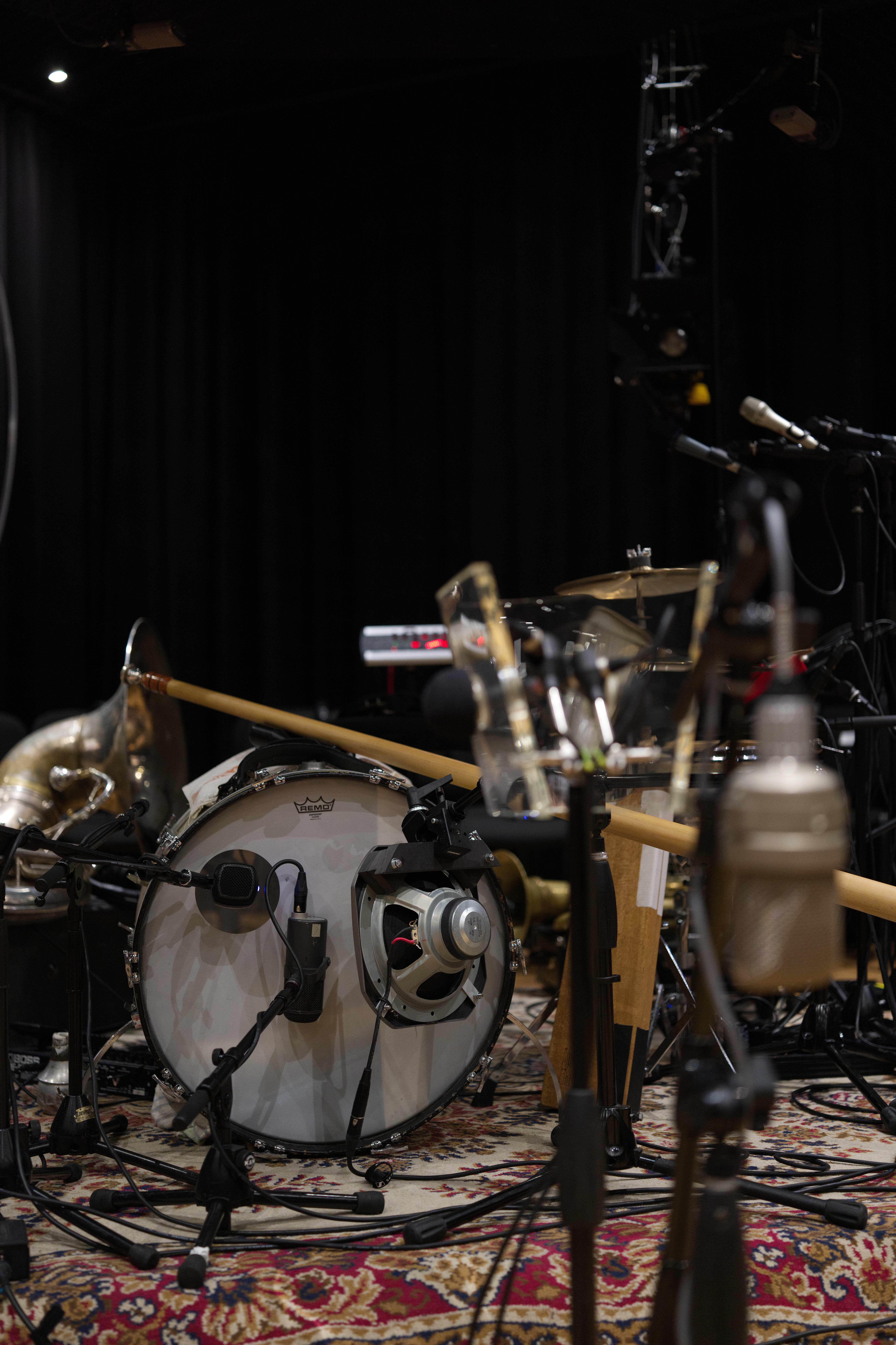
Helbock had wanted for years to play a live session at Little Big Beat, and for this evening he invited the singer Fola Dada to sing poems that he had set to music. Fola Dada, trained in tap dance and jazz dance, formed with the trio a quartet of voice, piano and effects, saxophones, clarinets and flutes, and an arsenal of sousaphone, tuba, trumpet, beatbox, drums and alphorn. In March 2025 the session appeared as a limited transparent edition on vinyl, and on it one finds titles such as “Never Lived”, “Song of a Dream”, “Truth” and Madonna’s “Like a Prayer”.
THE TOUR
Early on the morning of 2 October 2024 I left the Taunus and drove south, and the further the motorway carried me, the closer the mountains drew. Beyond the border lay a principality that I had known only from the photographs of the house that awaited me, and as the kilometres passed I put in order the questions I had brought along: what a studio that lets musicians play in front of an audience owes to the joy of playing and the dynamics of a recording, and whether it settles this debt. The address, Essanestrasse 164 in Eschen, gave nothing away.
From outside the house reveals little. The façade remains unassuming, and the way through the entrance and into the stairwell, too, promises nothing yet of the character one knows from beautiful photographs and videos. For the weight of grand pianos, drum kits and tape machines the house has a freight lift ready that carries around 1,000 kilograms; I myself took the stairs, and with every landing my curiosity grew.
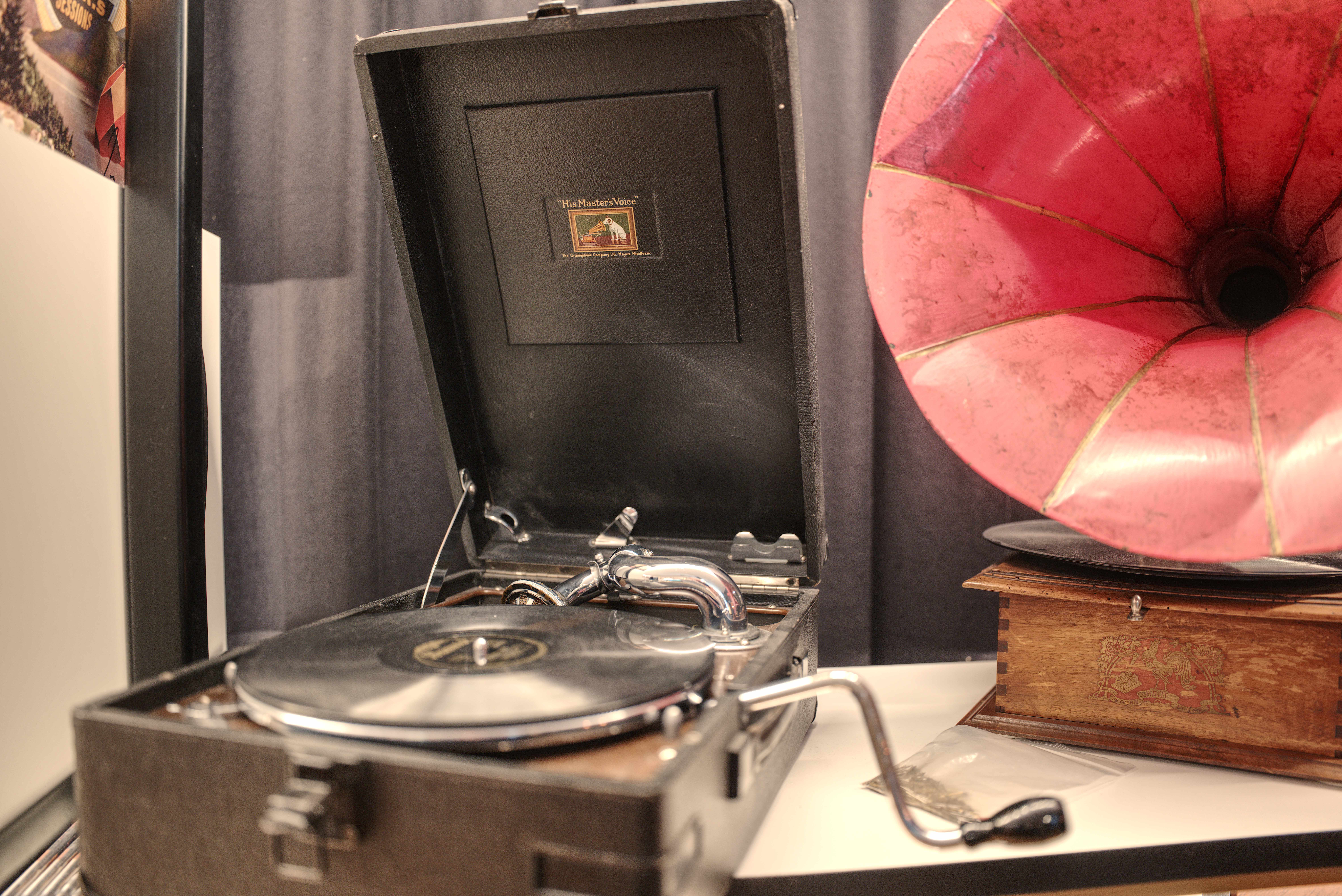
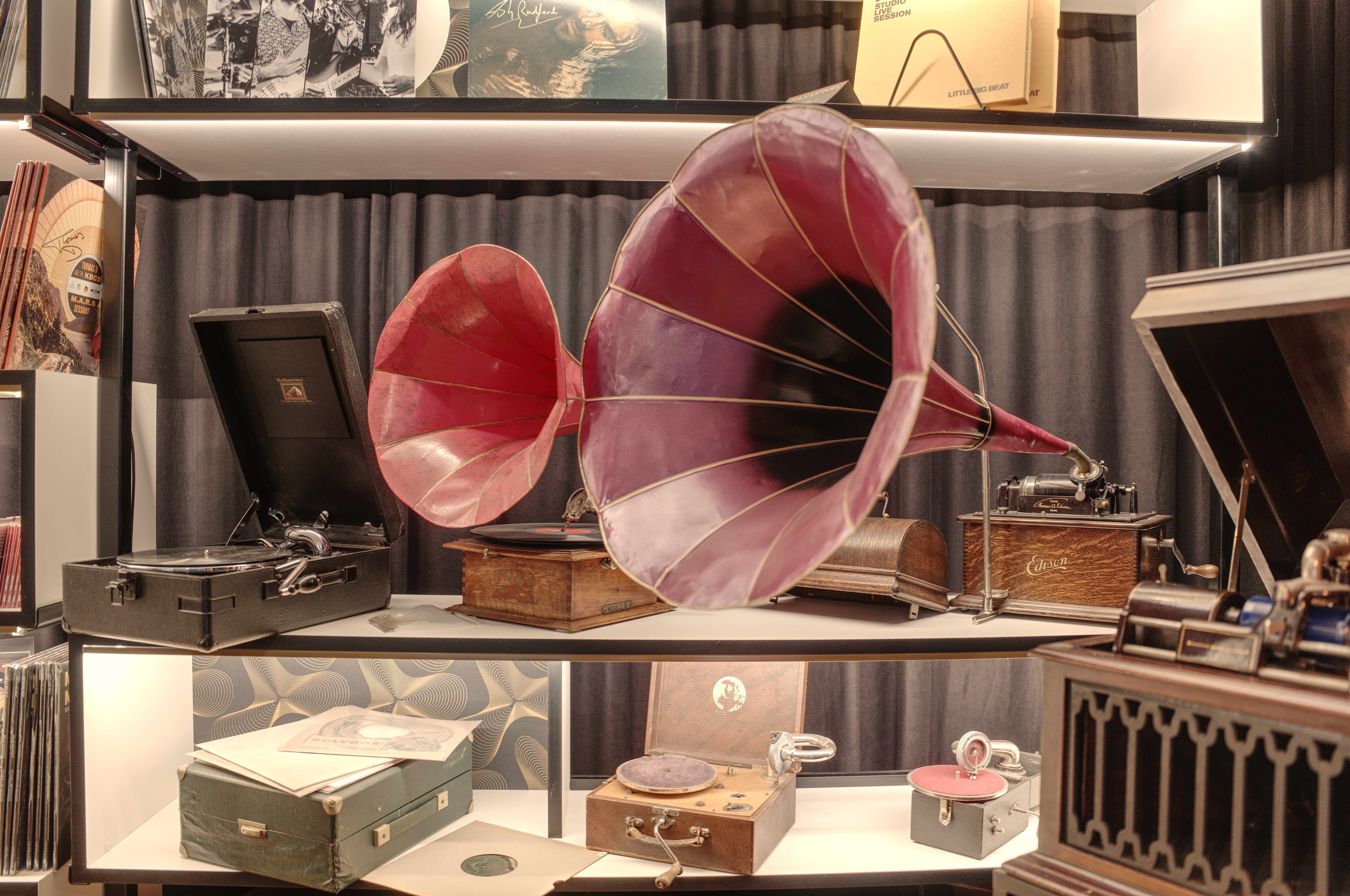
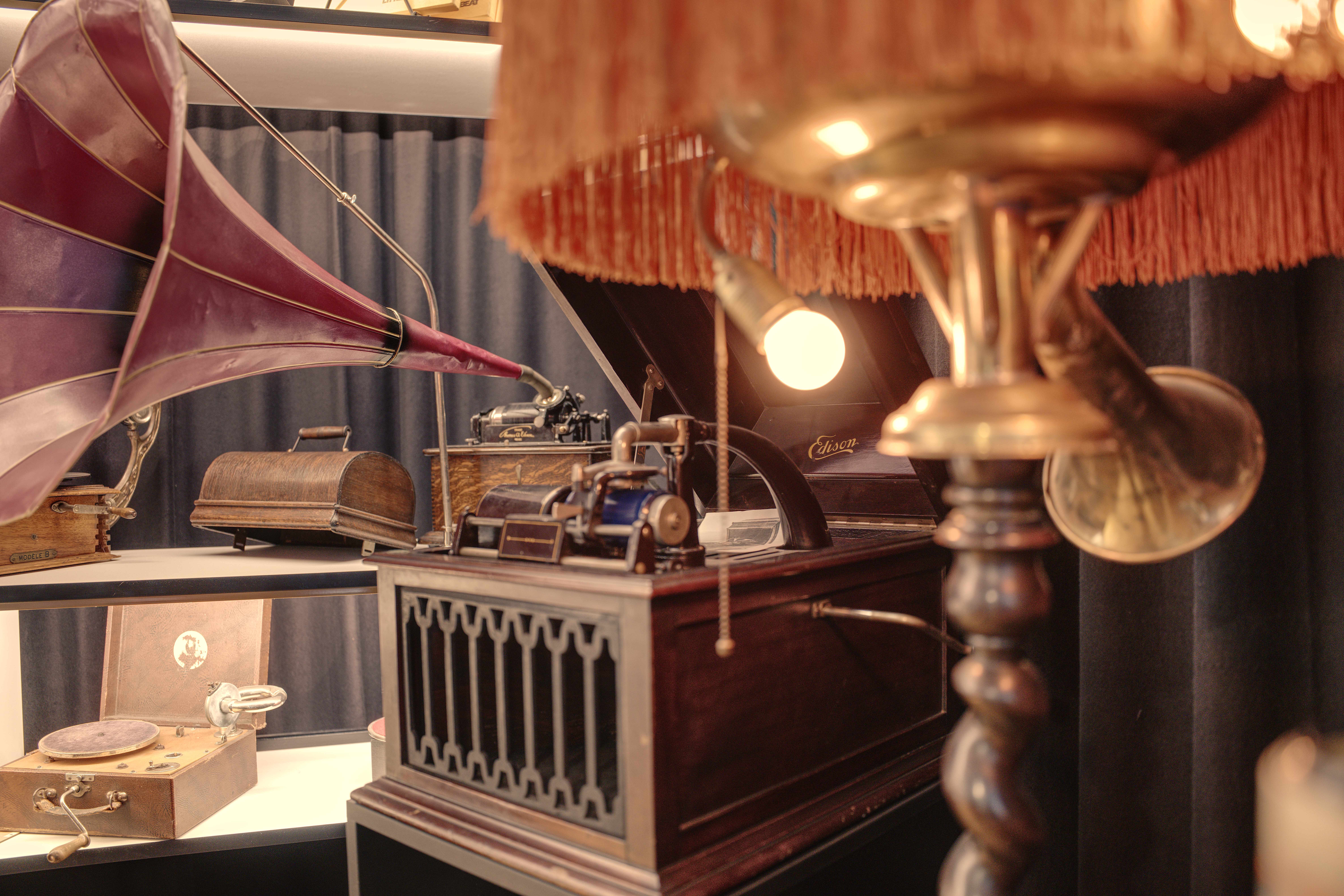
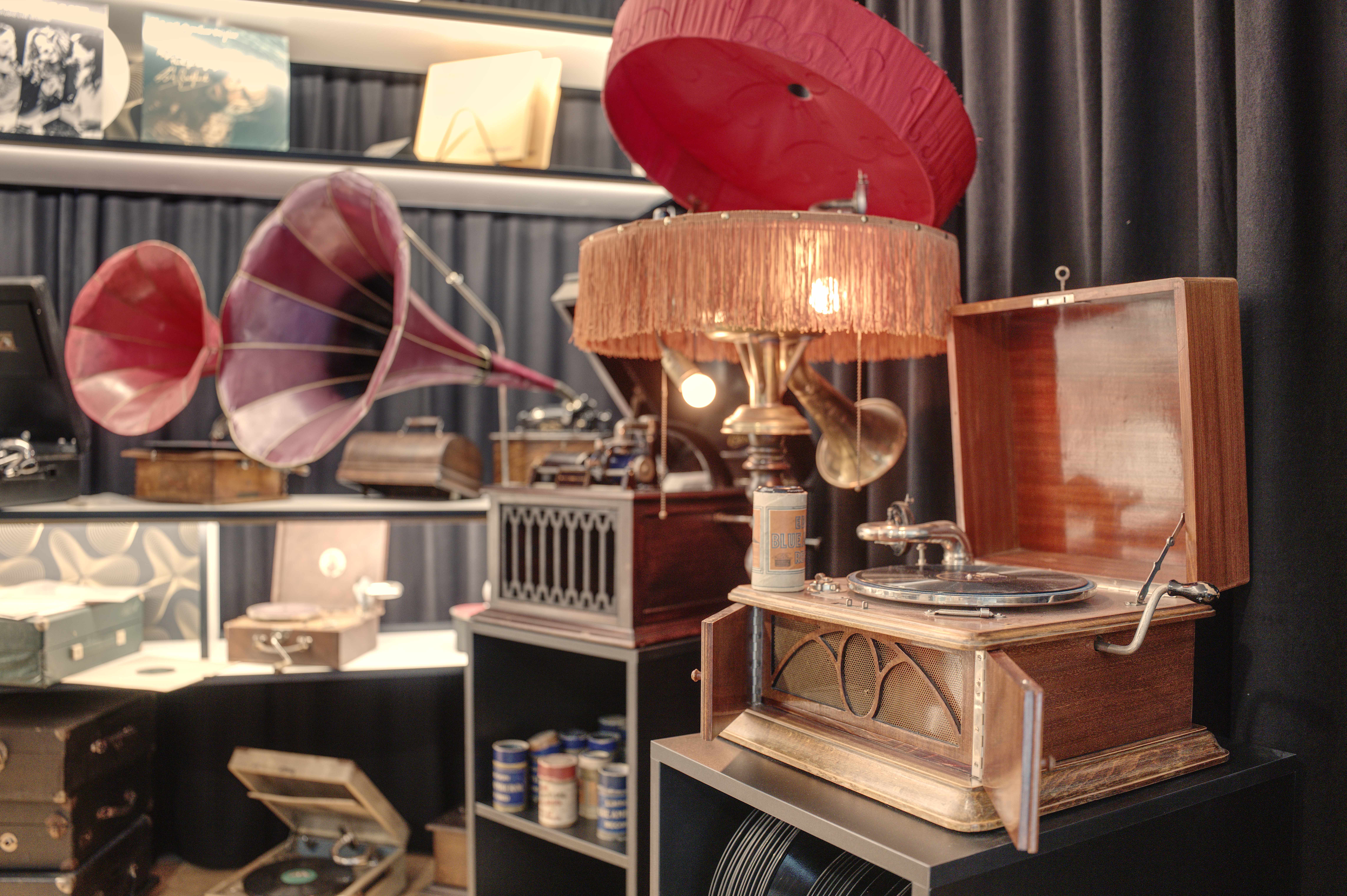
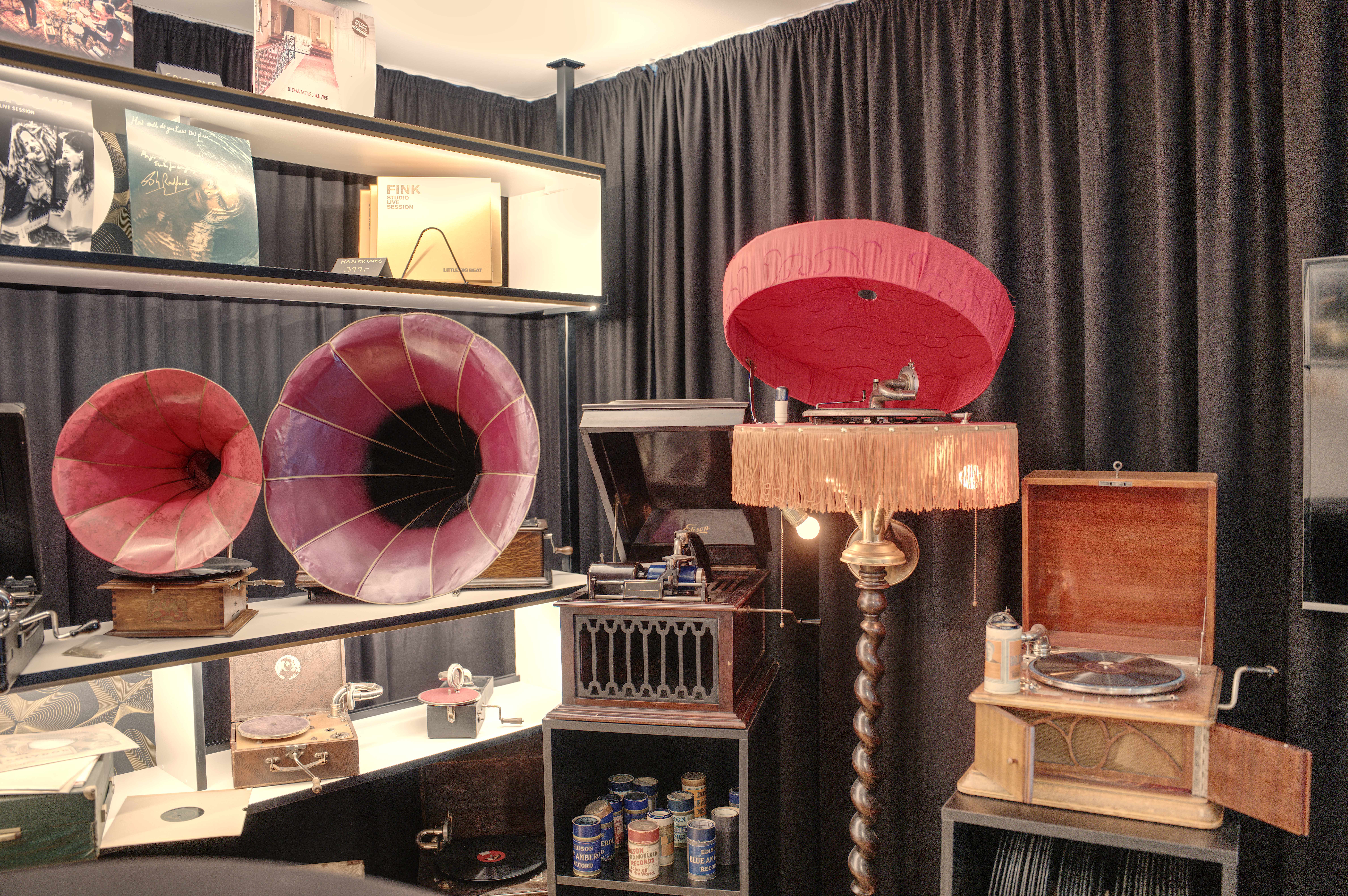
Only on the first floor does the picture change. A collection of old audio-technical treasures stands there beside the products of the house, the records, tapes and merchandising, and whoever looks more closely also finds sessions as master tapes with booklet. Crossing the room does not take long, and one leaves it with the impression that someone here keeps things because they mean something to him.
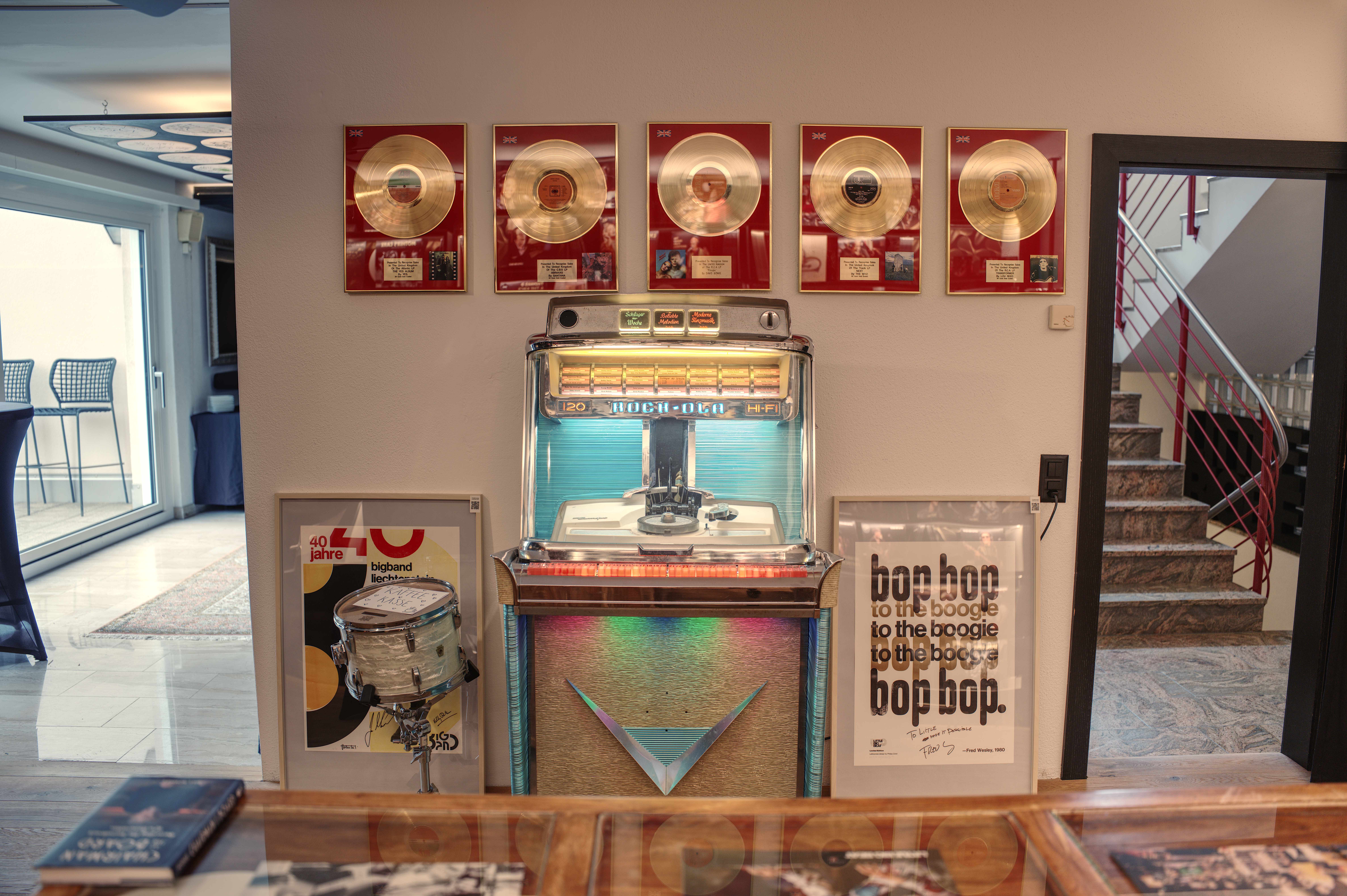
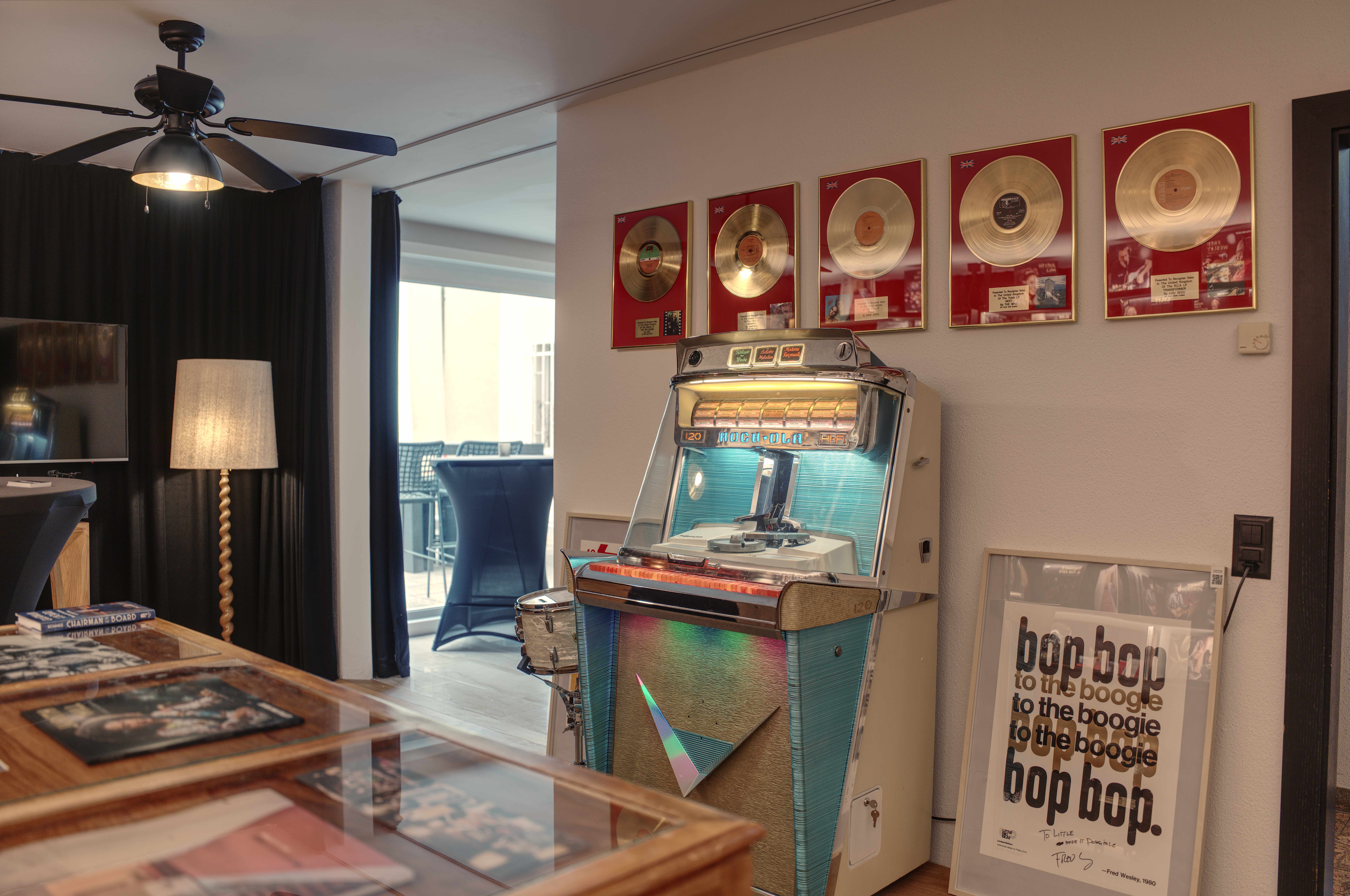
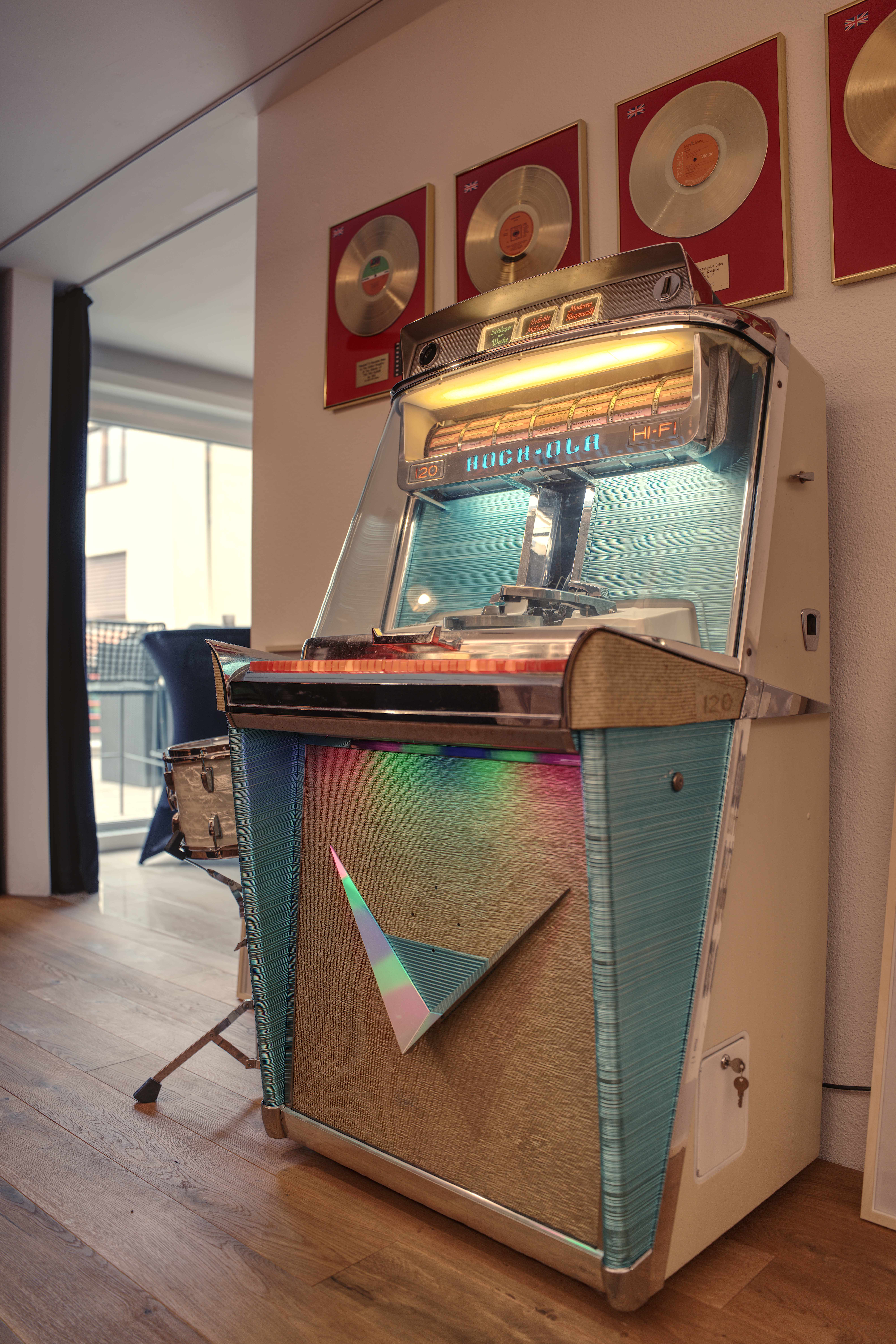
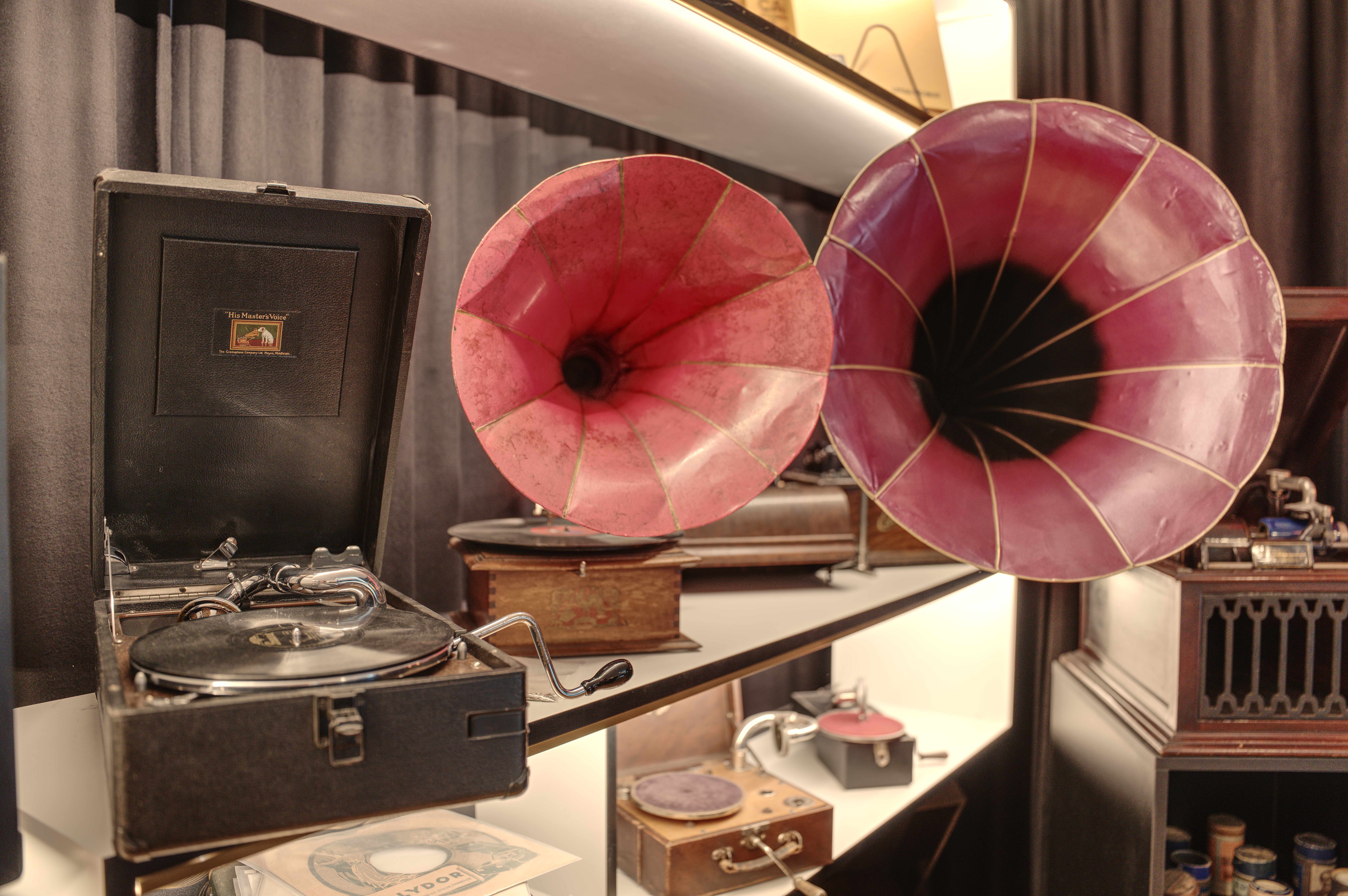
Behind the collection the reception area opens with terrace and bar, and here began what I did not lose again on either day: the feeling of being welcome. I was received warmly, and from this point every path leads into the rooms that matter. Here one enters a house that treats its guests as guests.
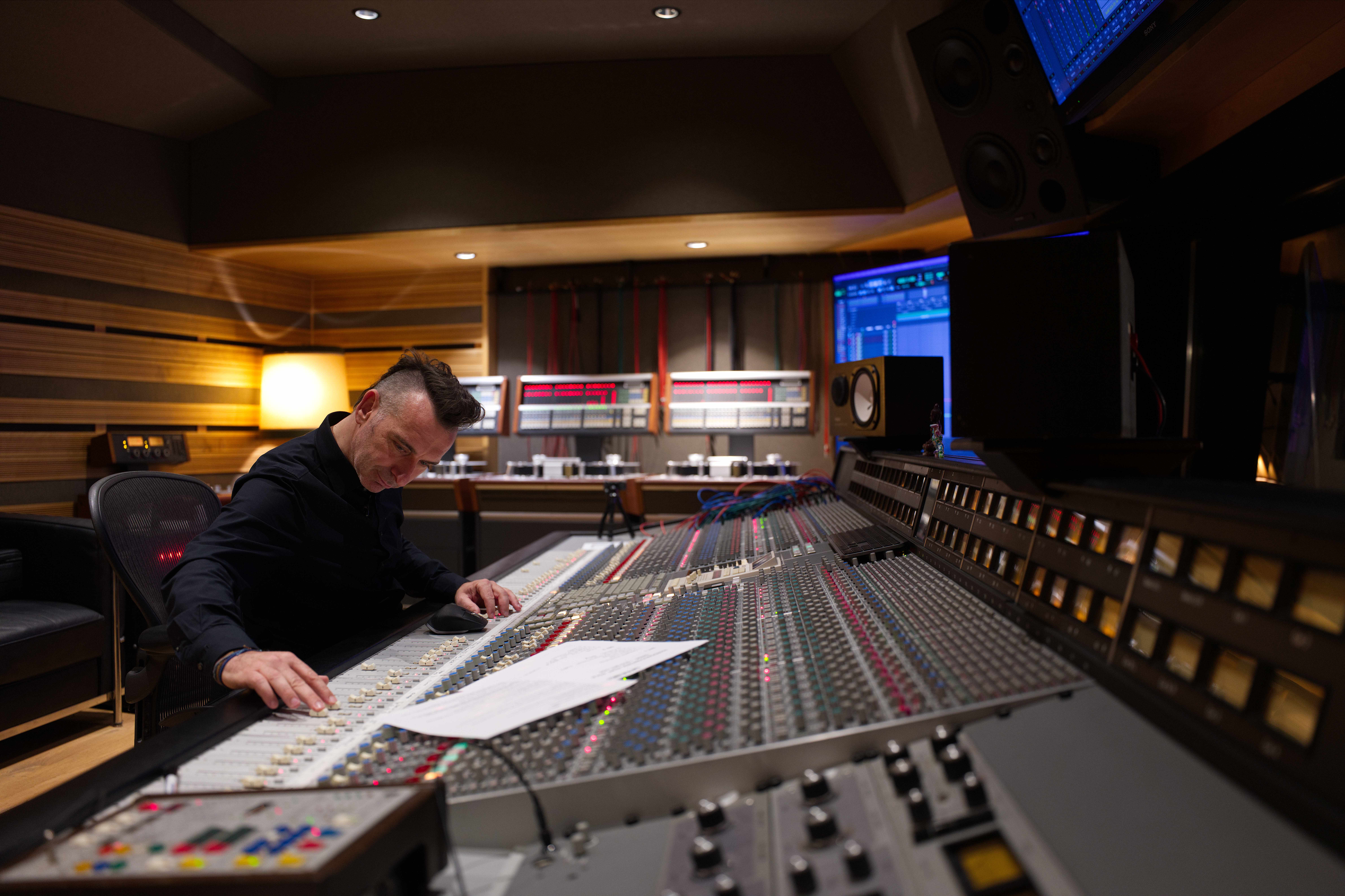
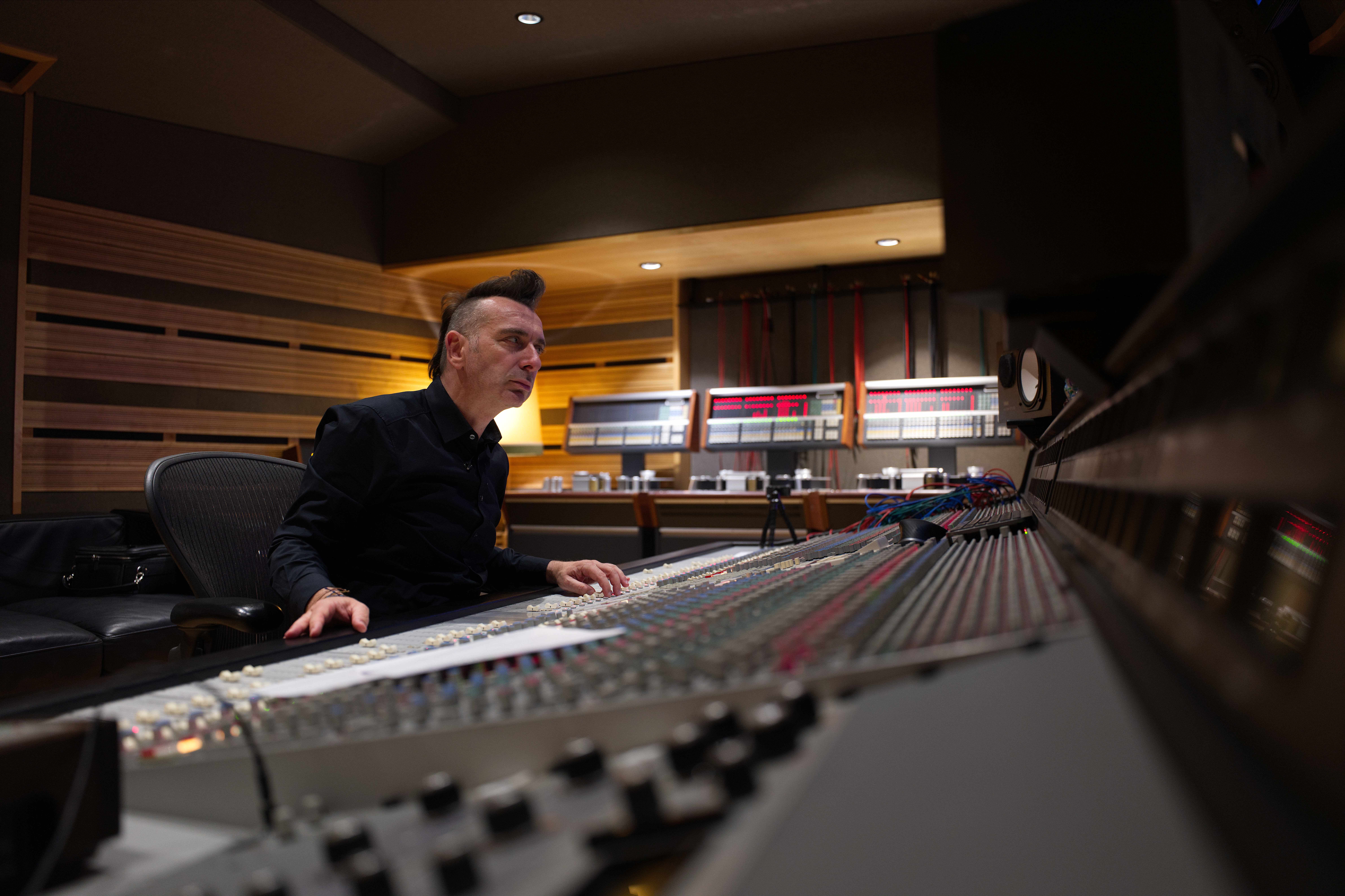
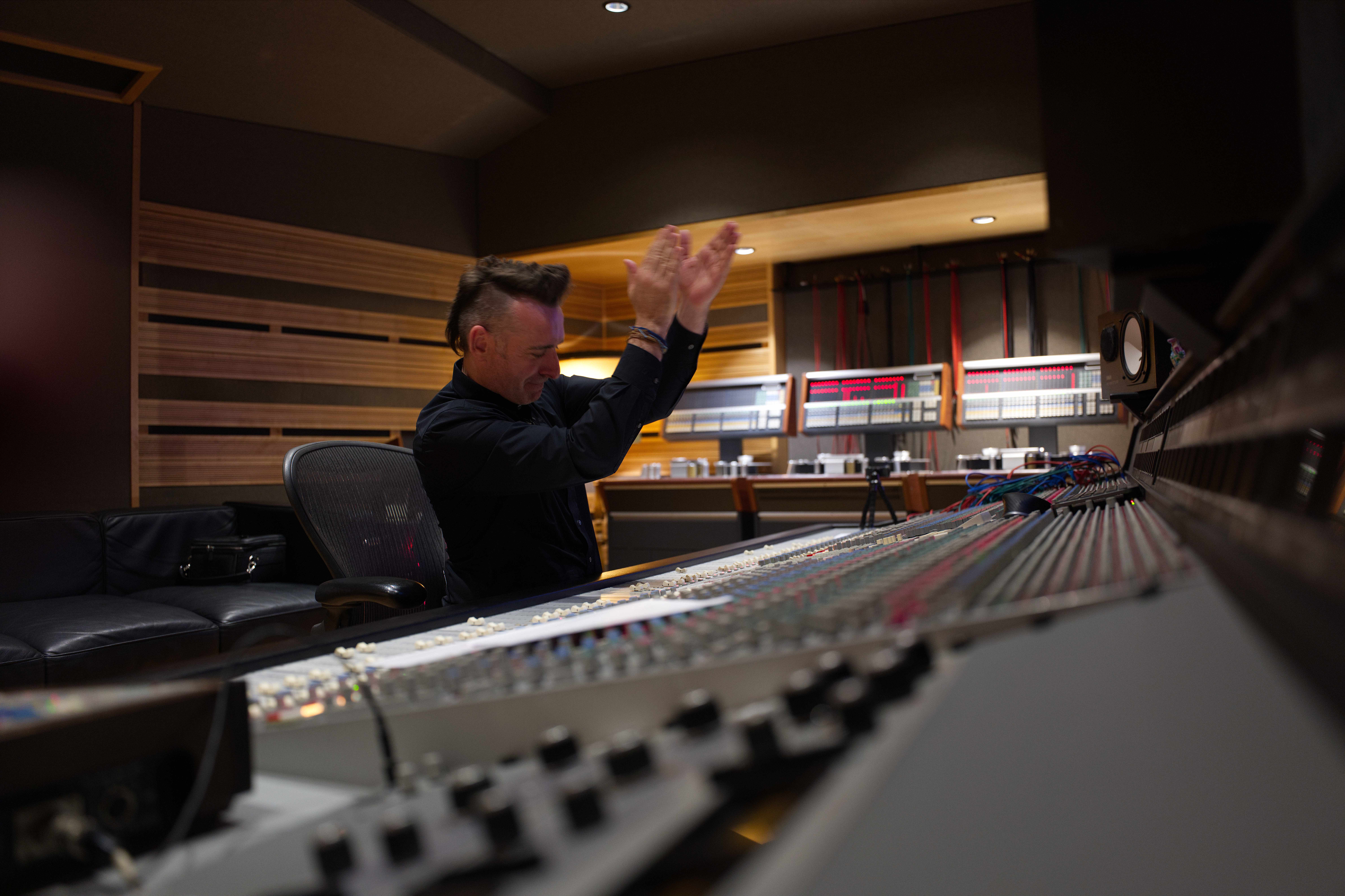
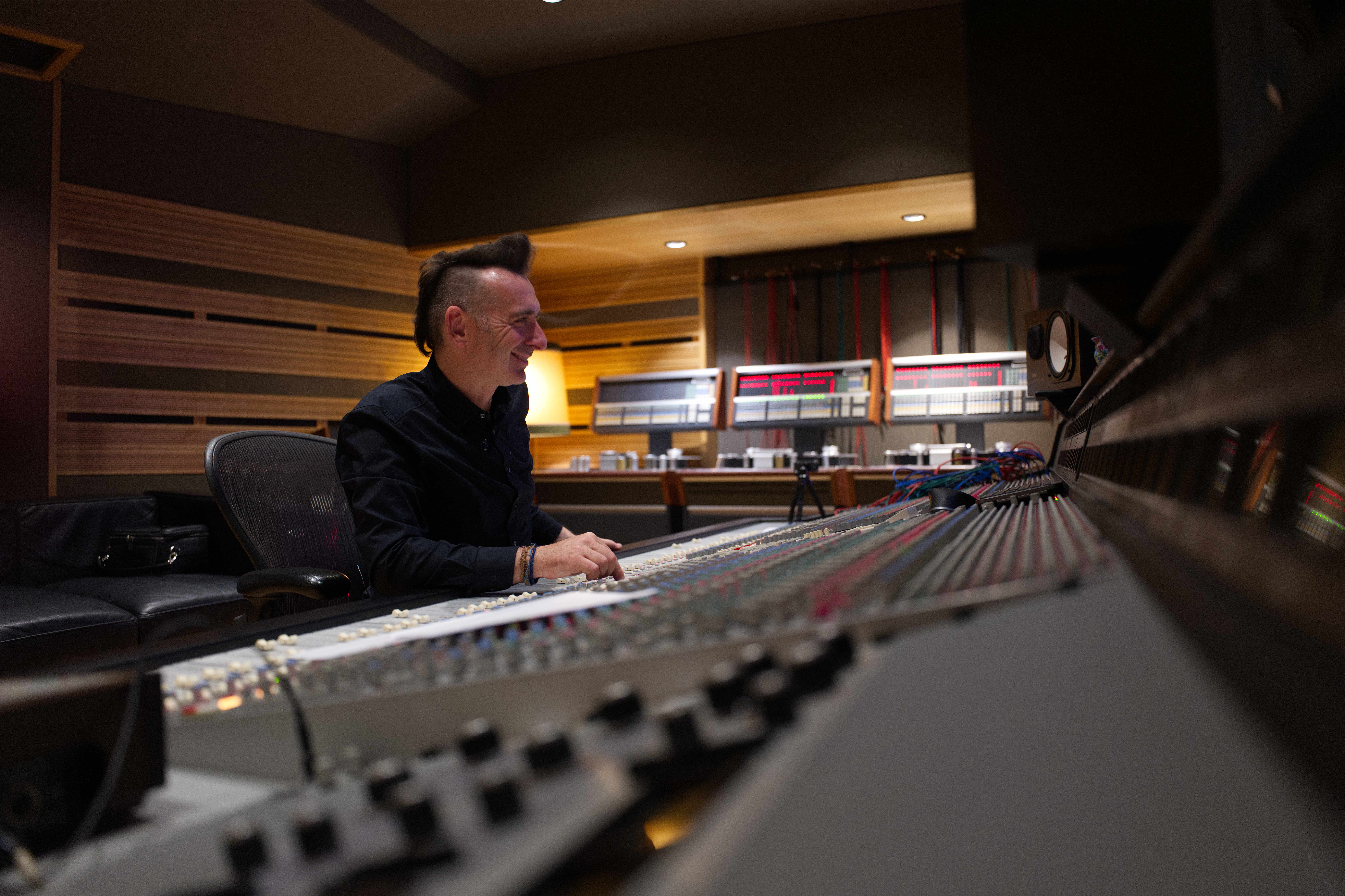
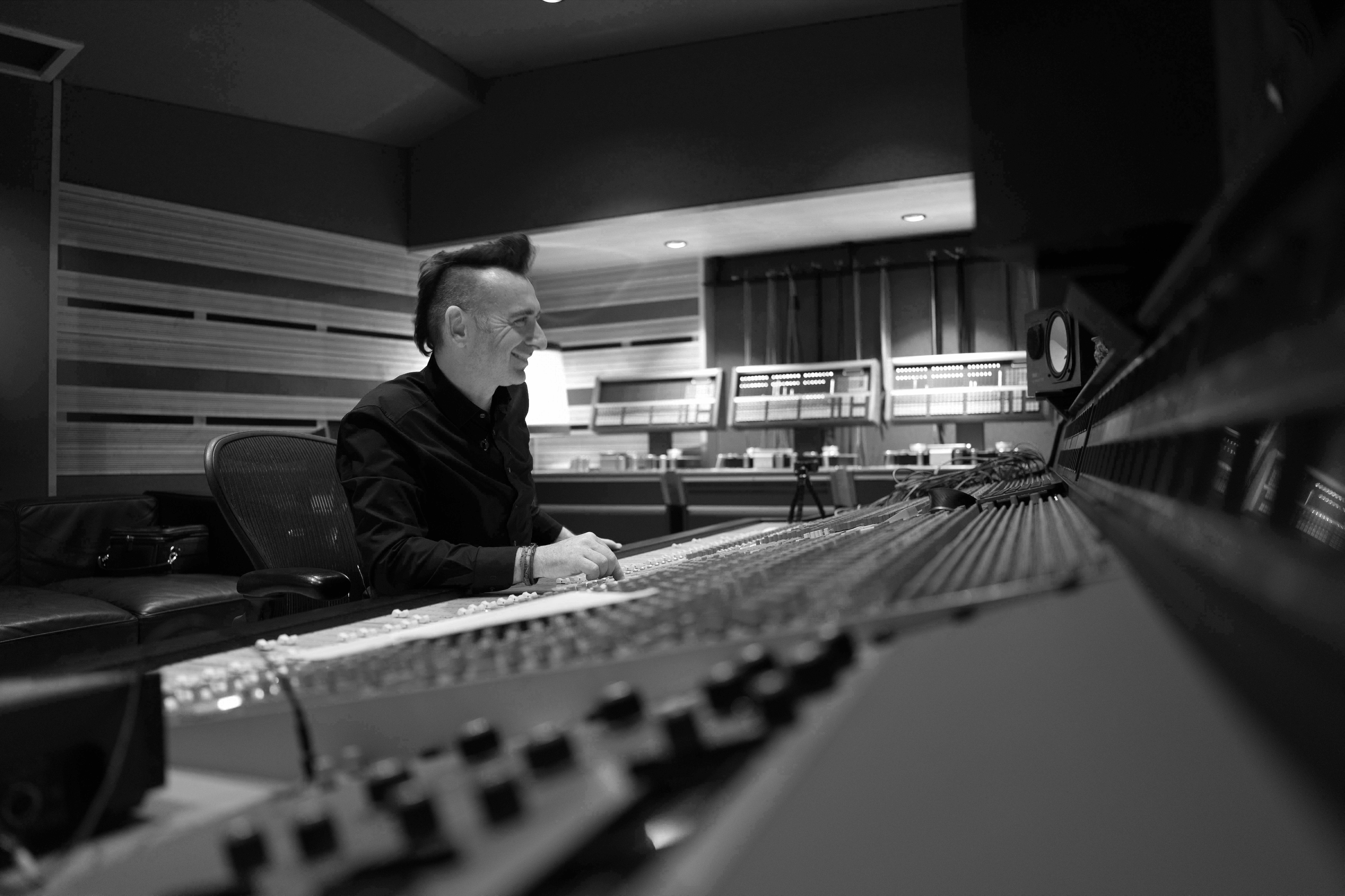
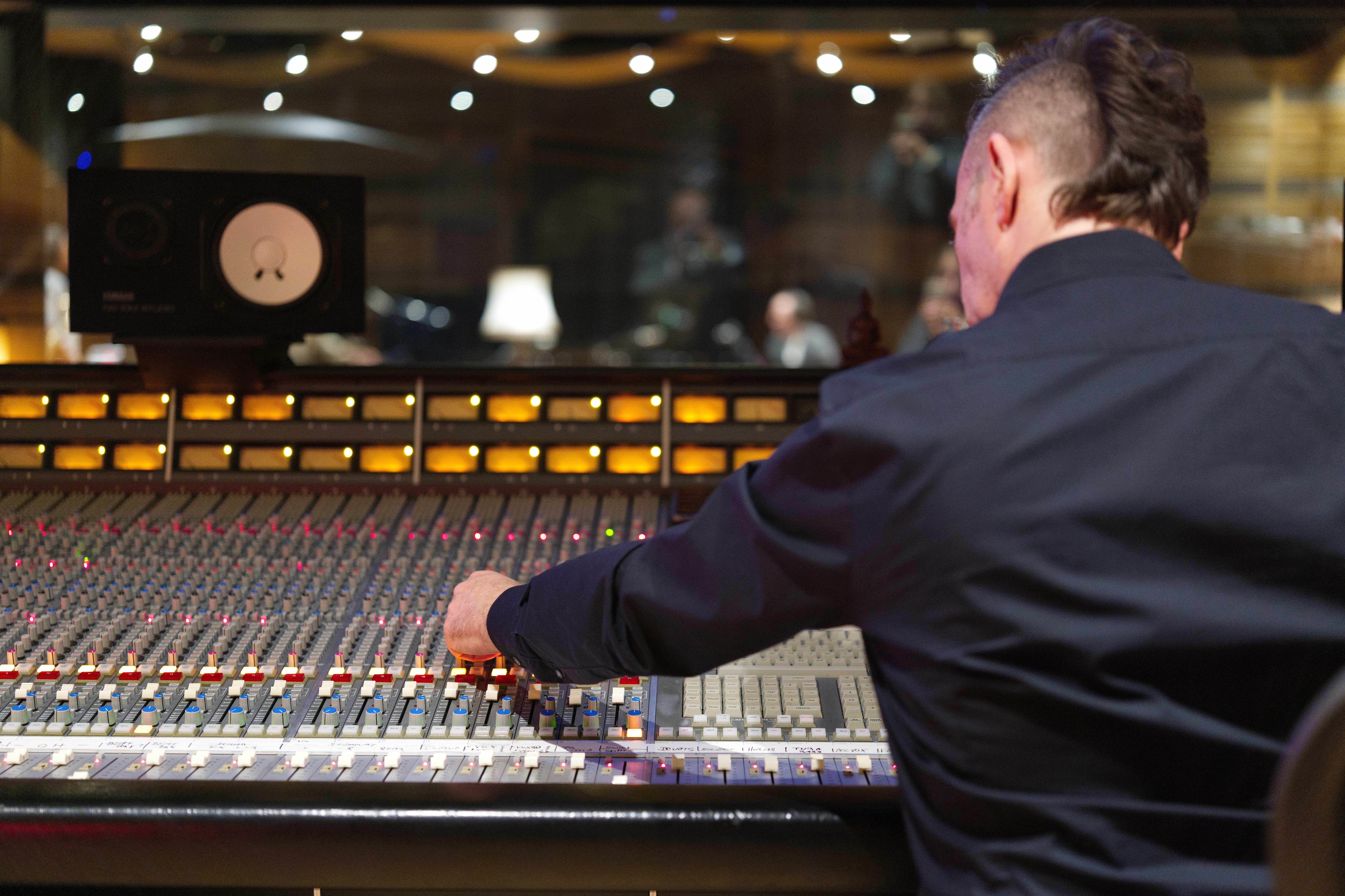
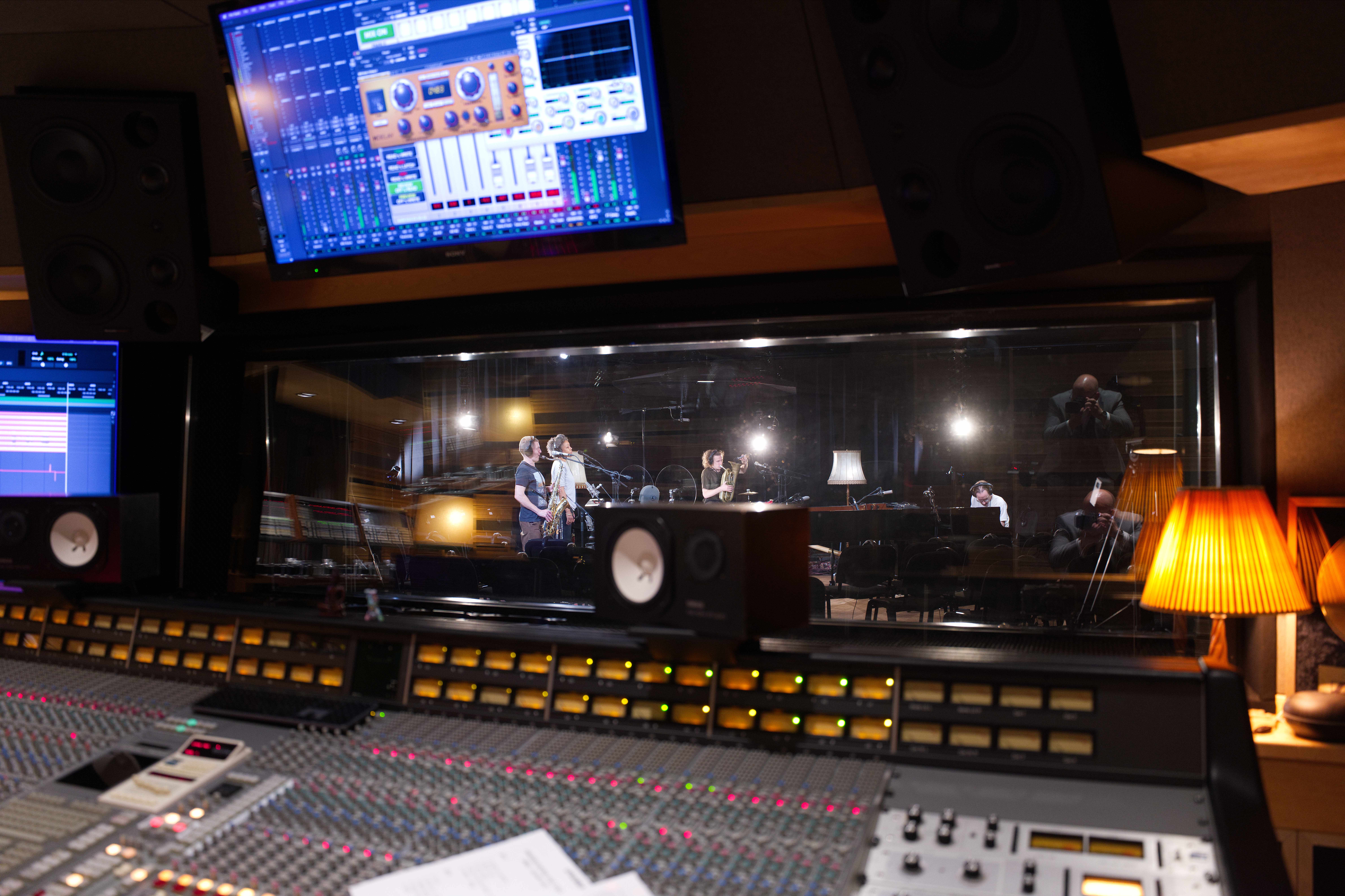
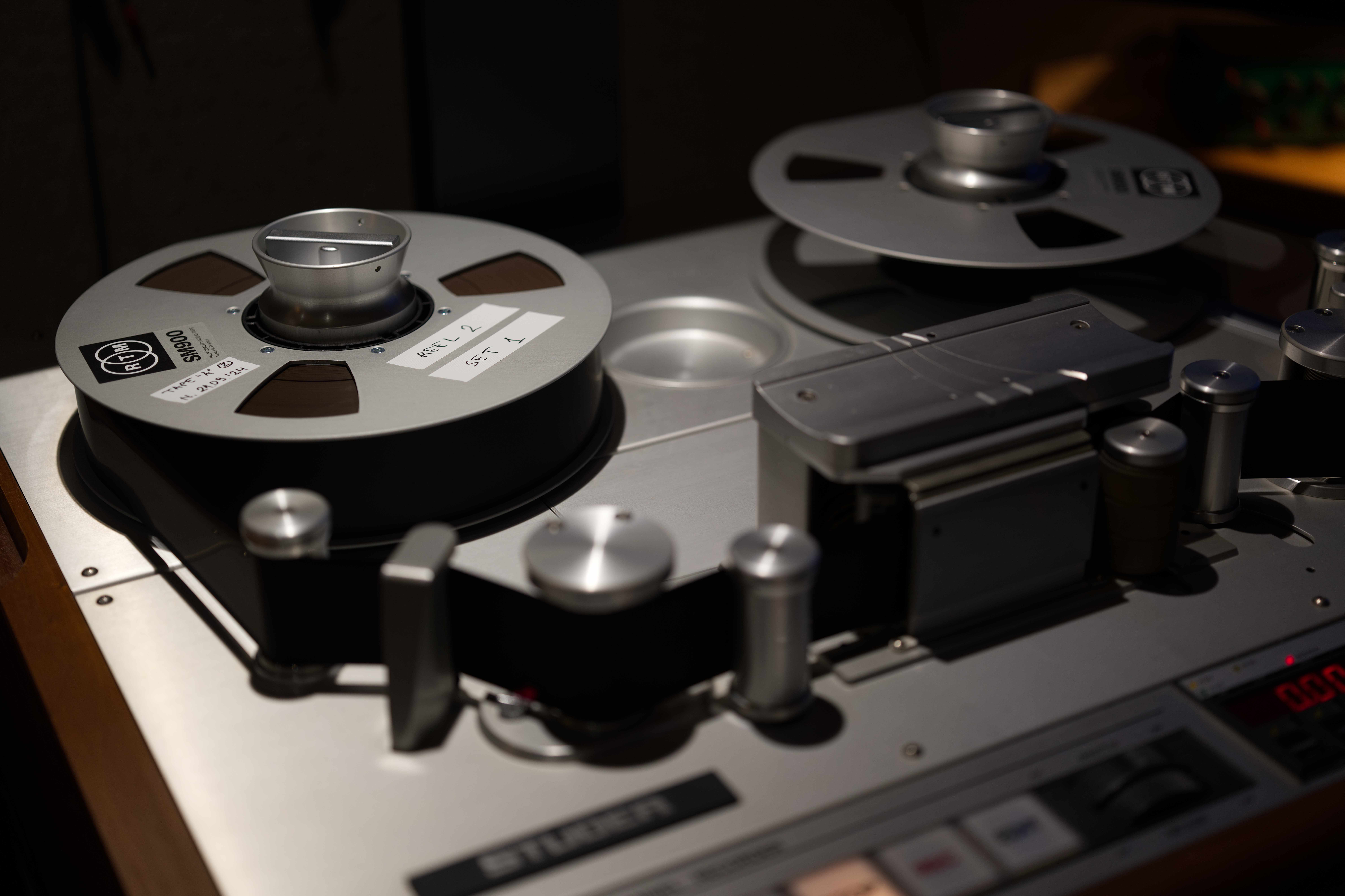
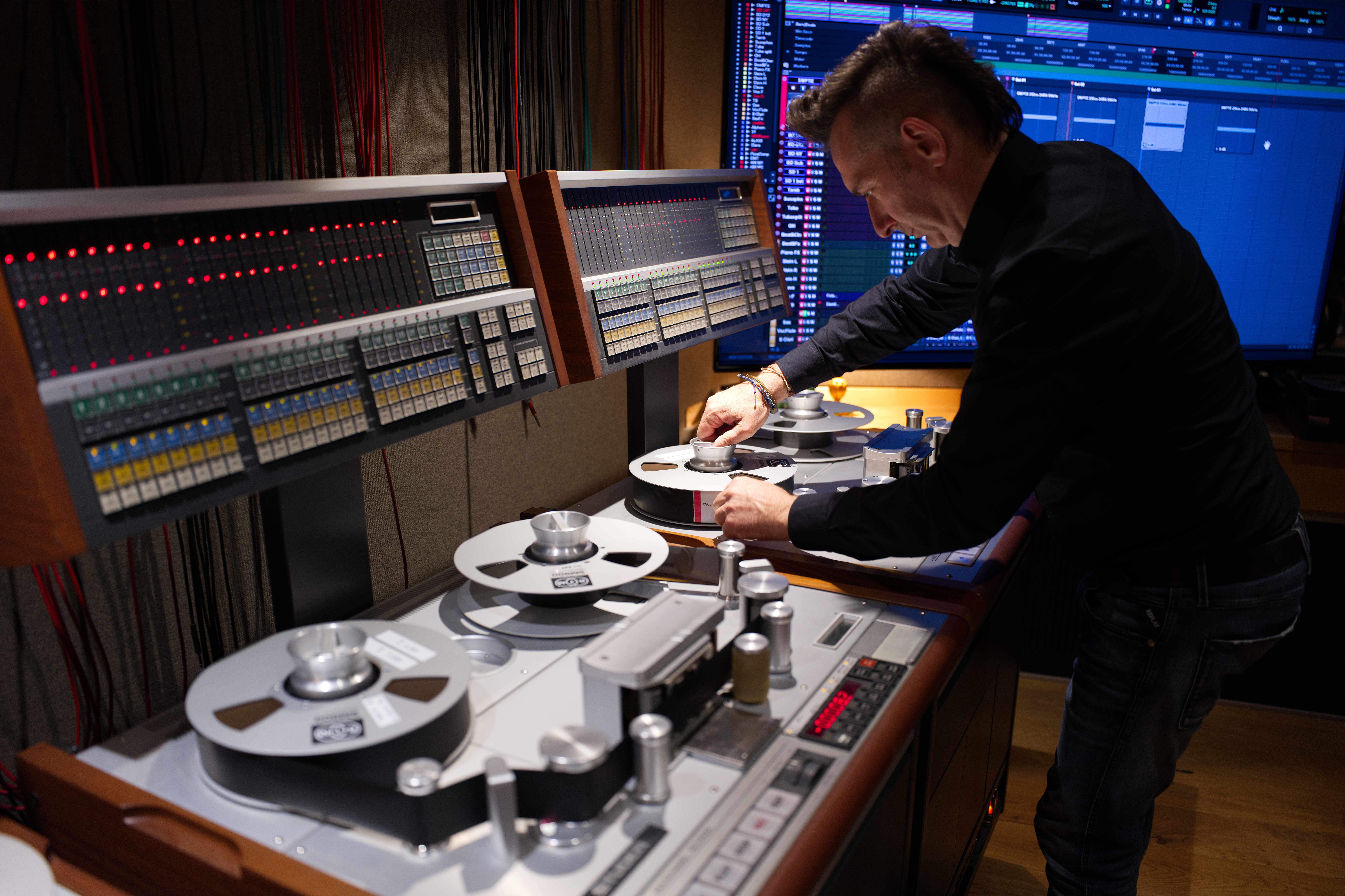
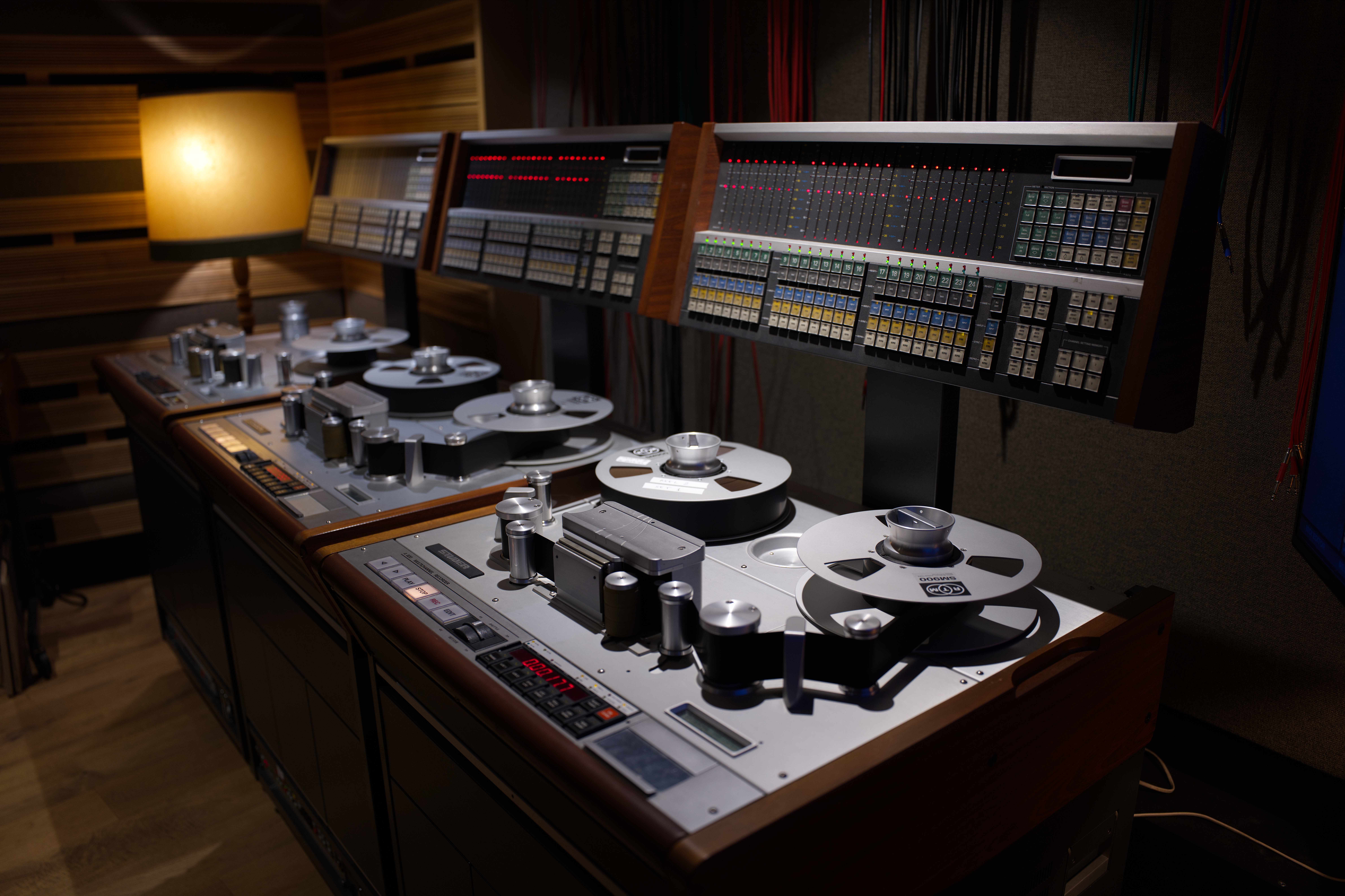
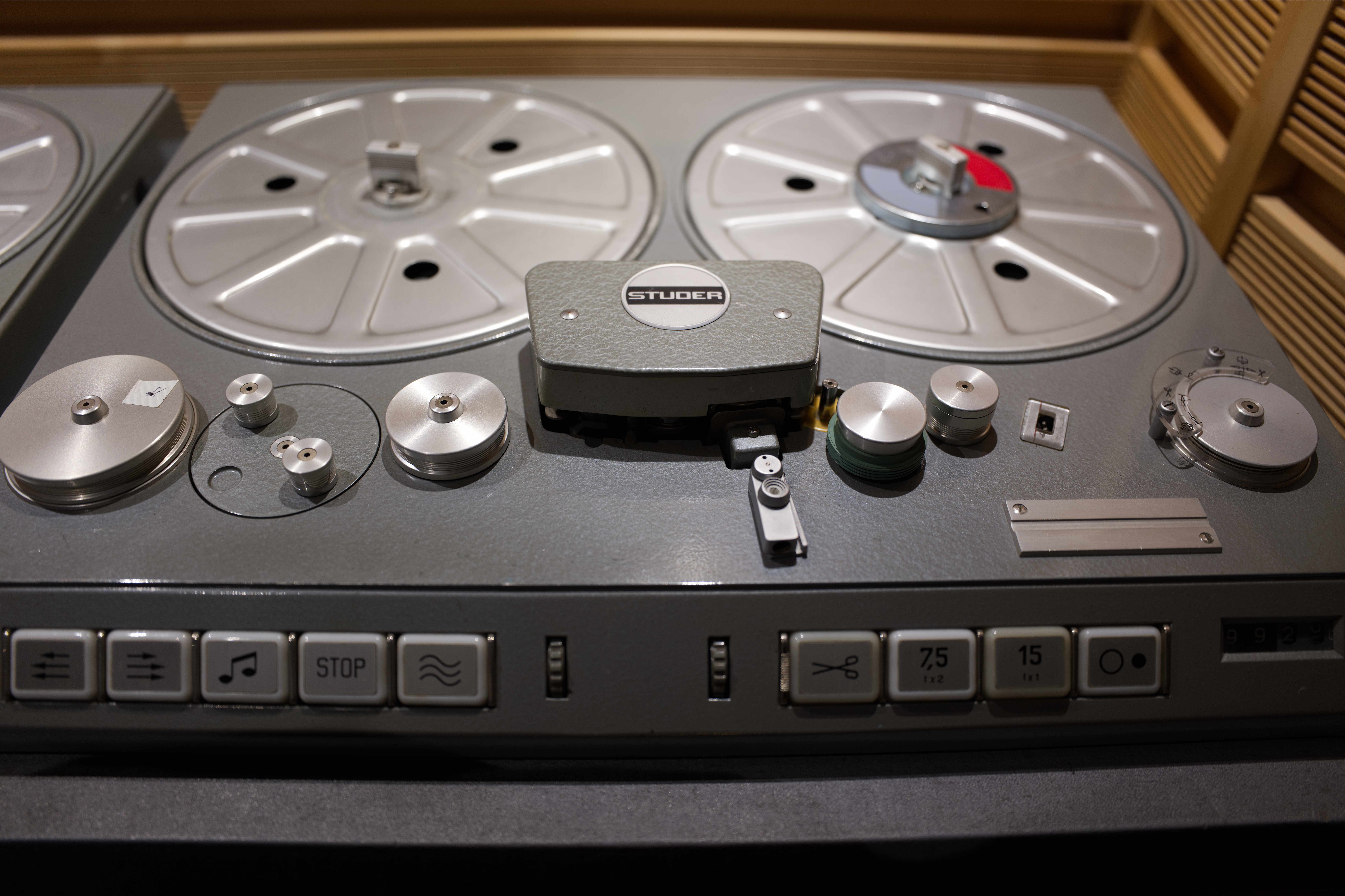
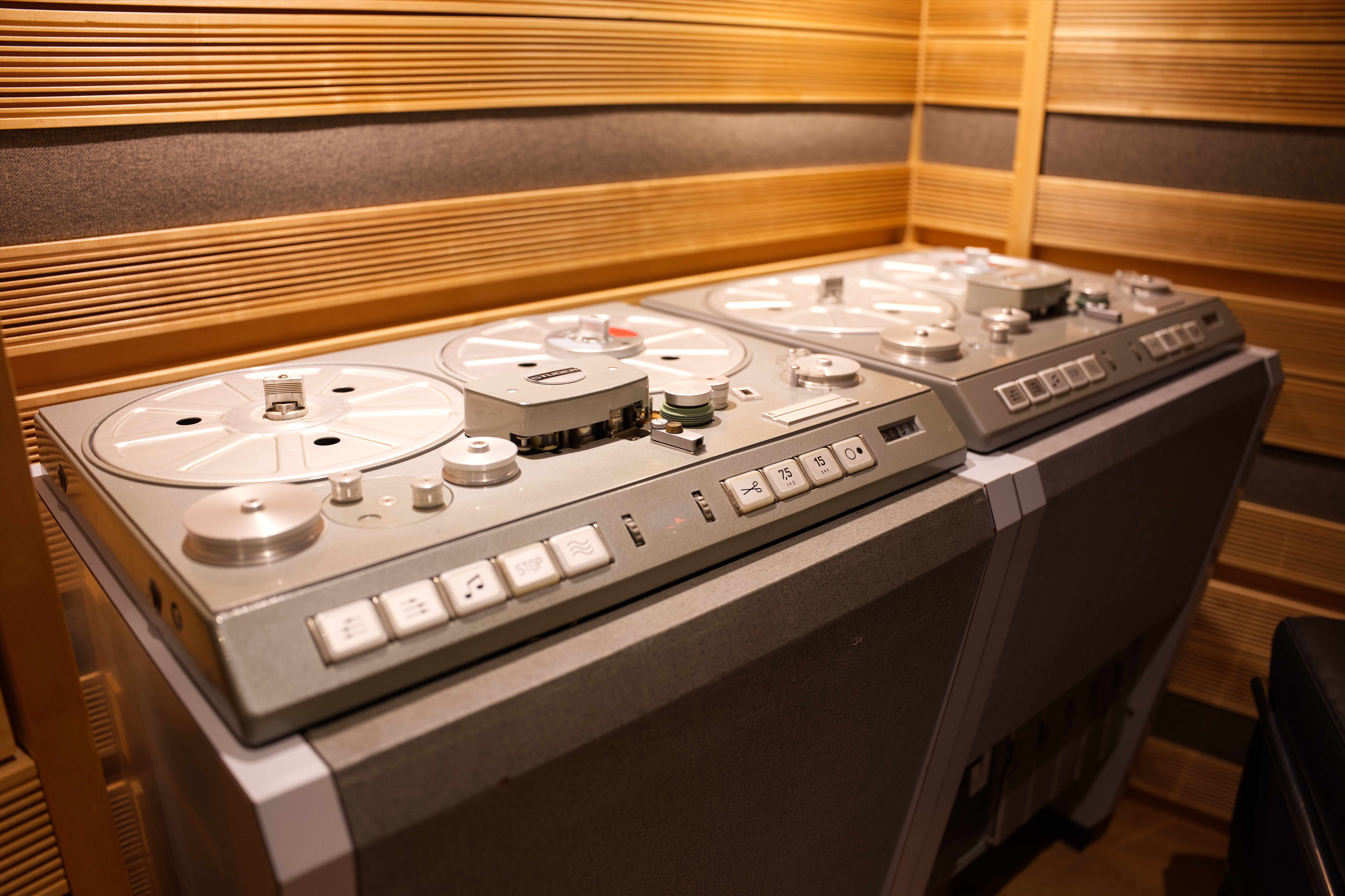
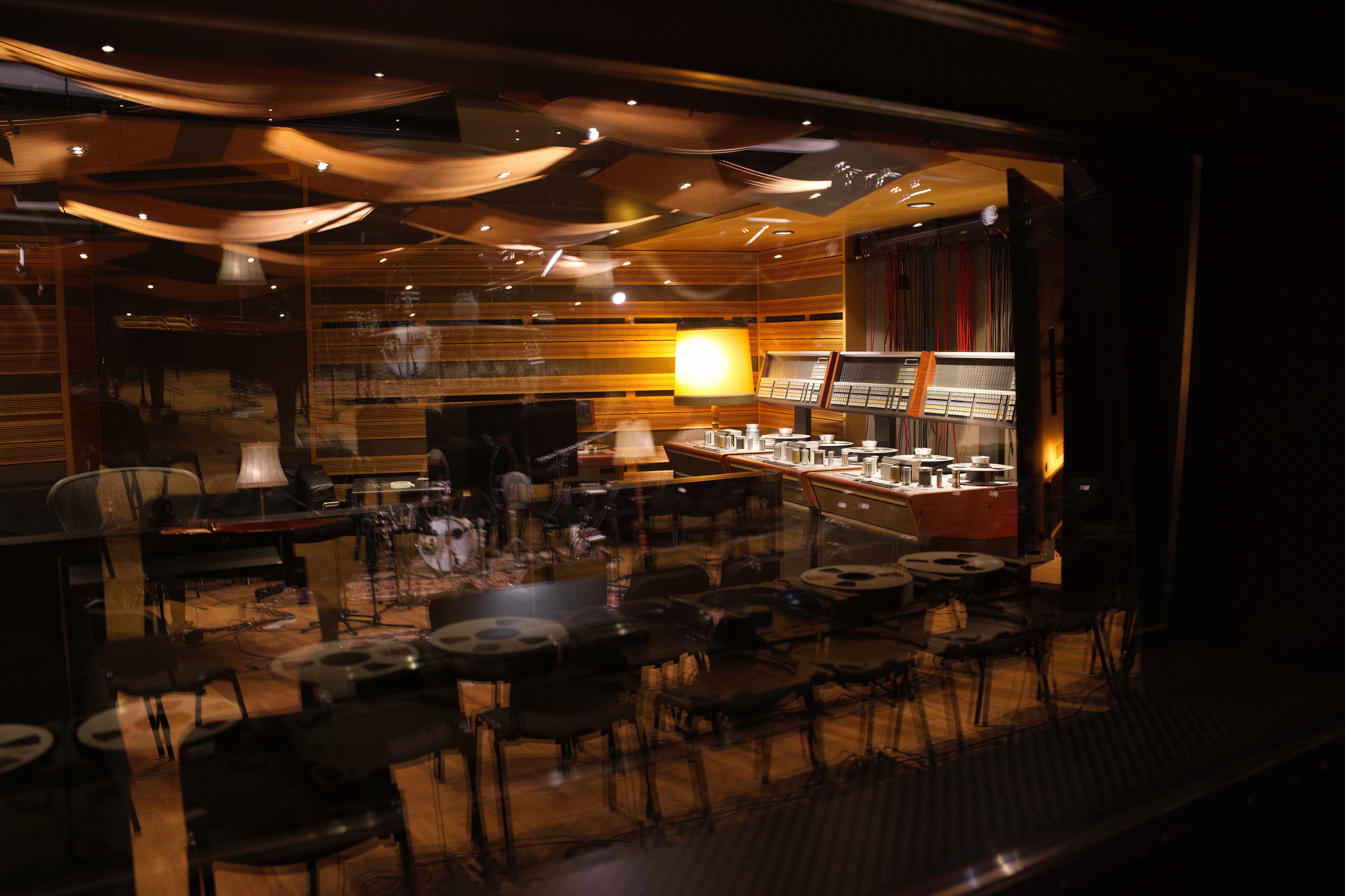
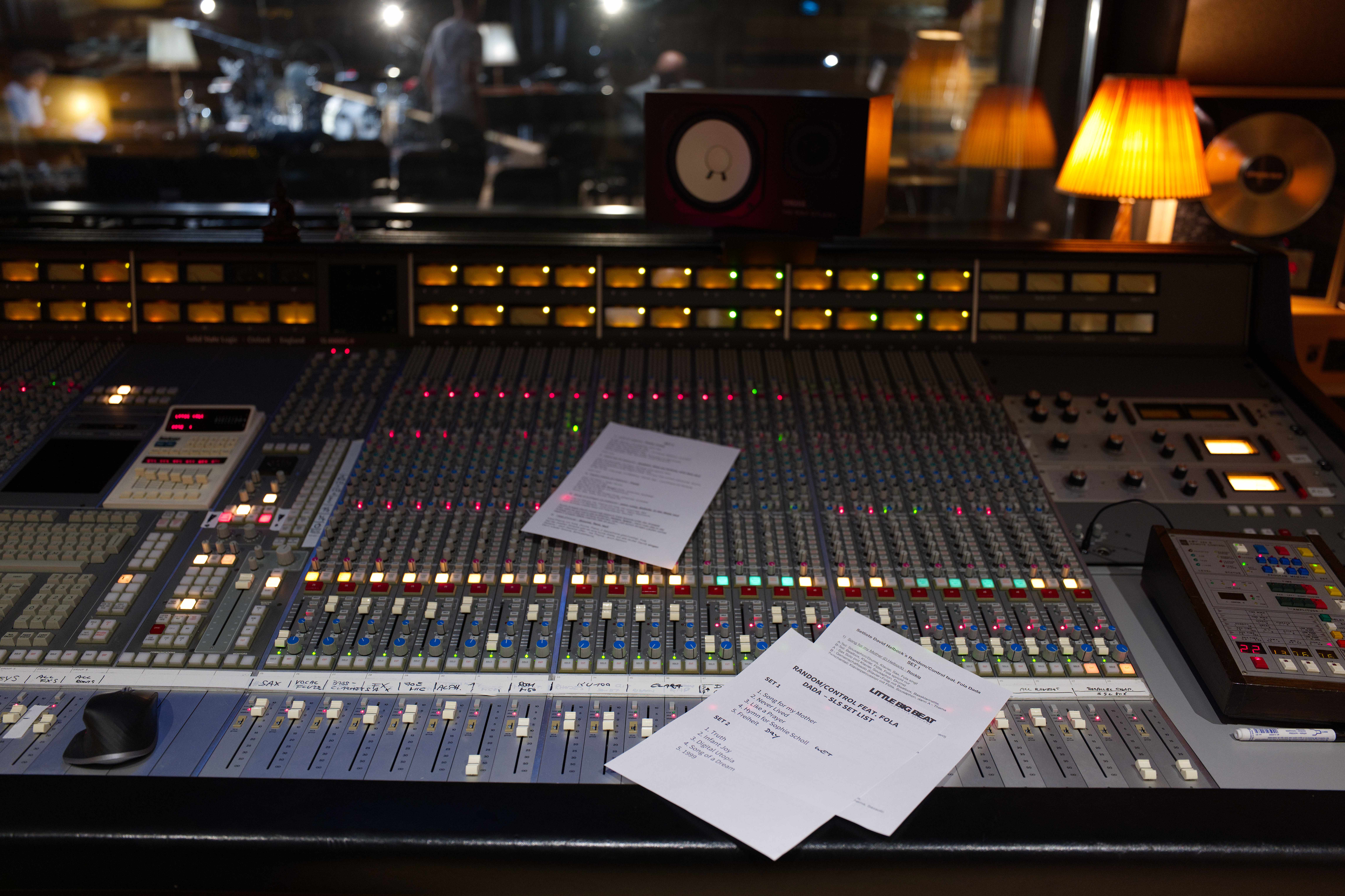
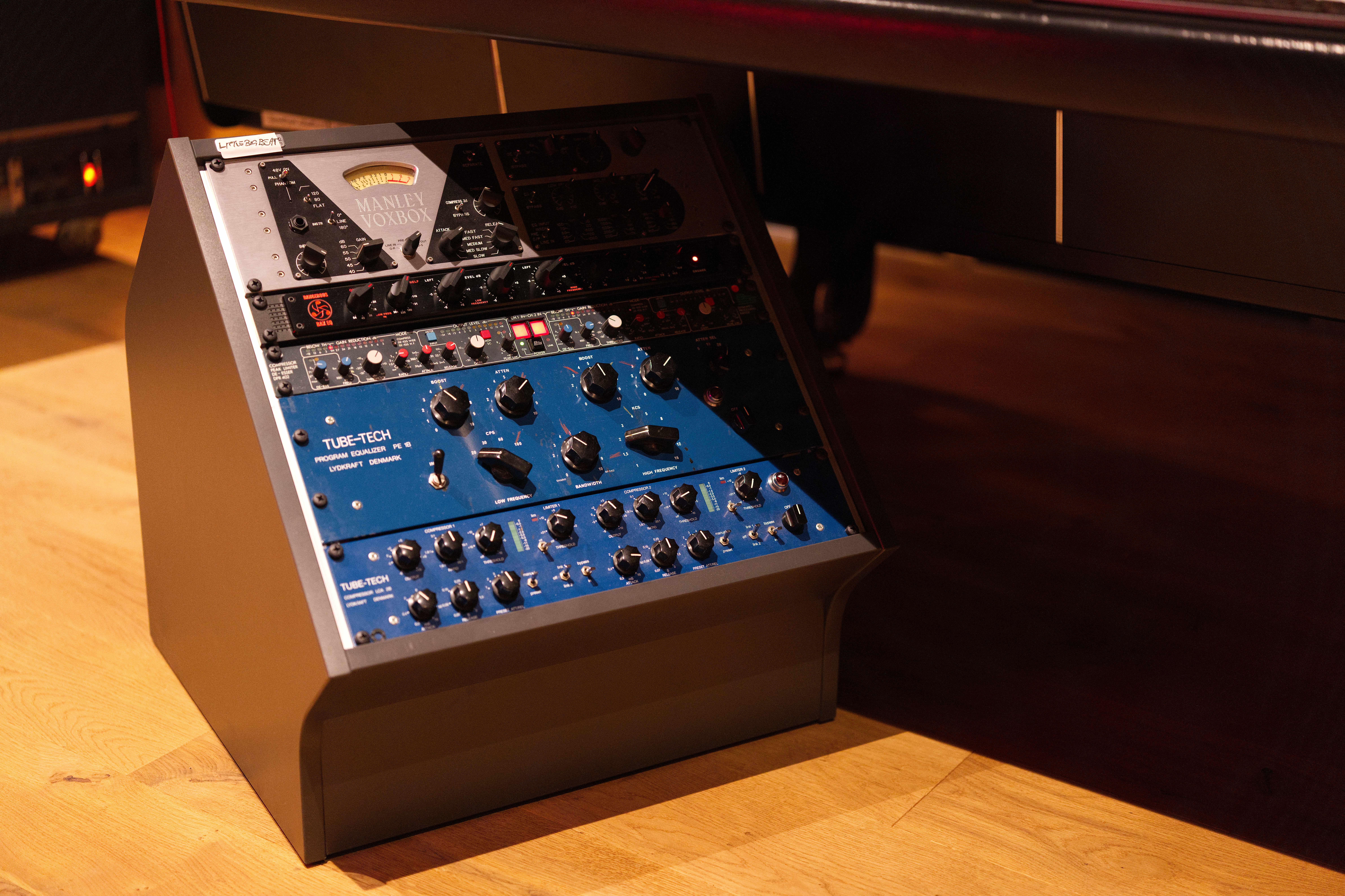
The tour led me through the technical room into the control room, and there stand an SSL console with 48 channels and several Studer tape machines, among them the machines that record every session. Here music is made on an analogue console on analogue tape, and the sessions are mixed live at this desk. The walls of the room are made of concrete, and from the desk it is not far into the room for which all this was built.
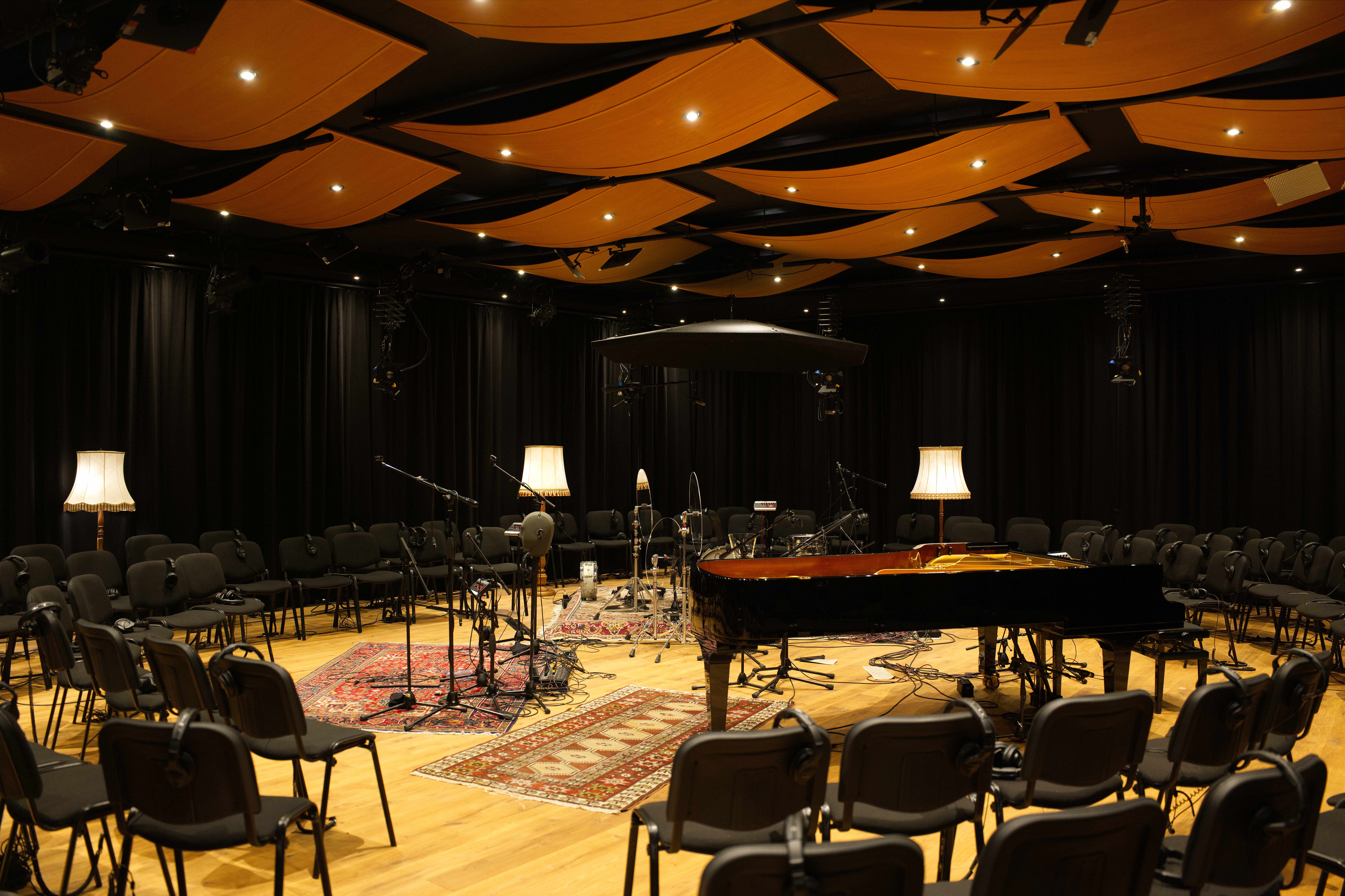
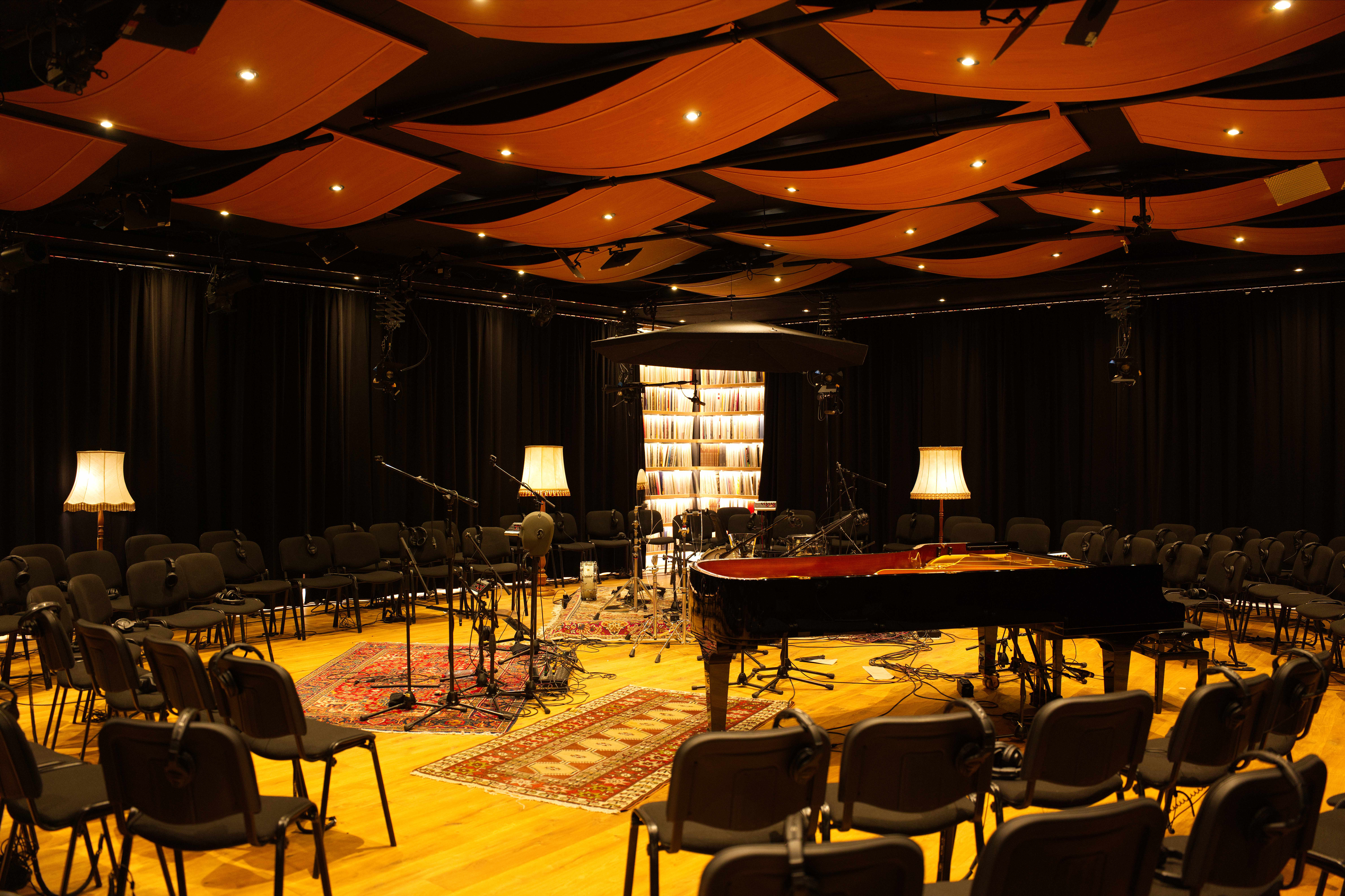
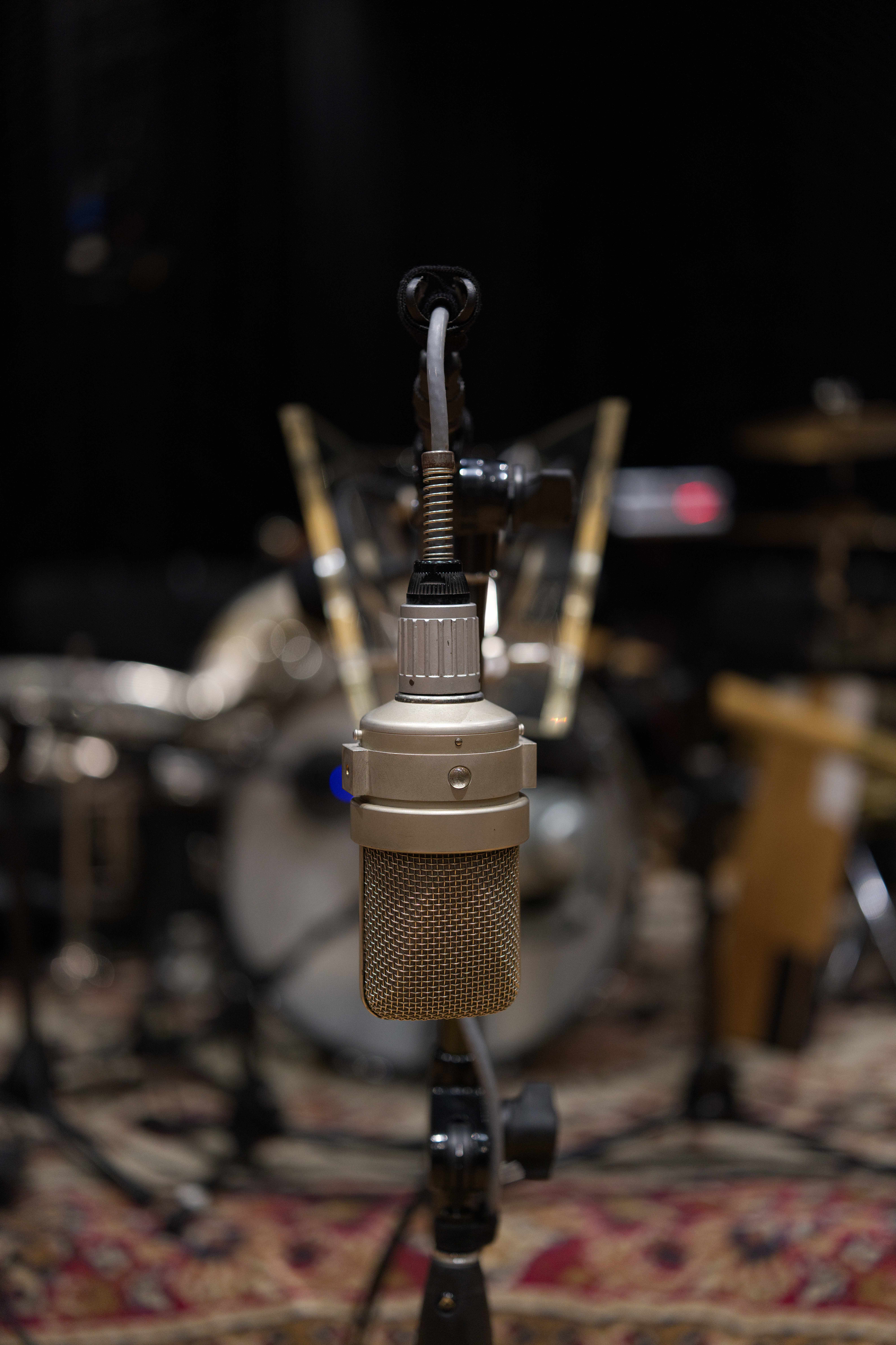
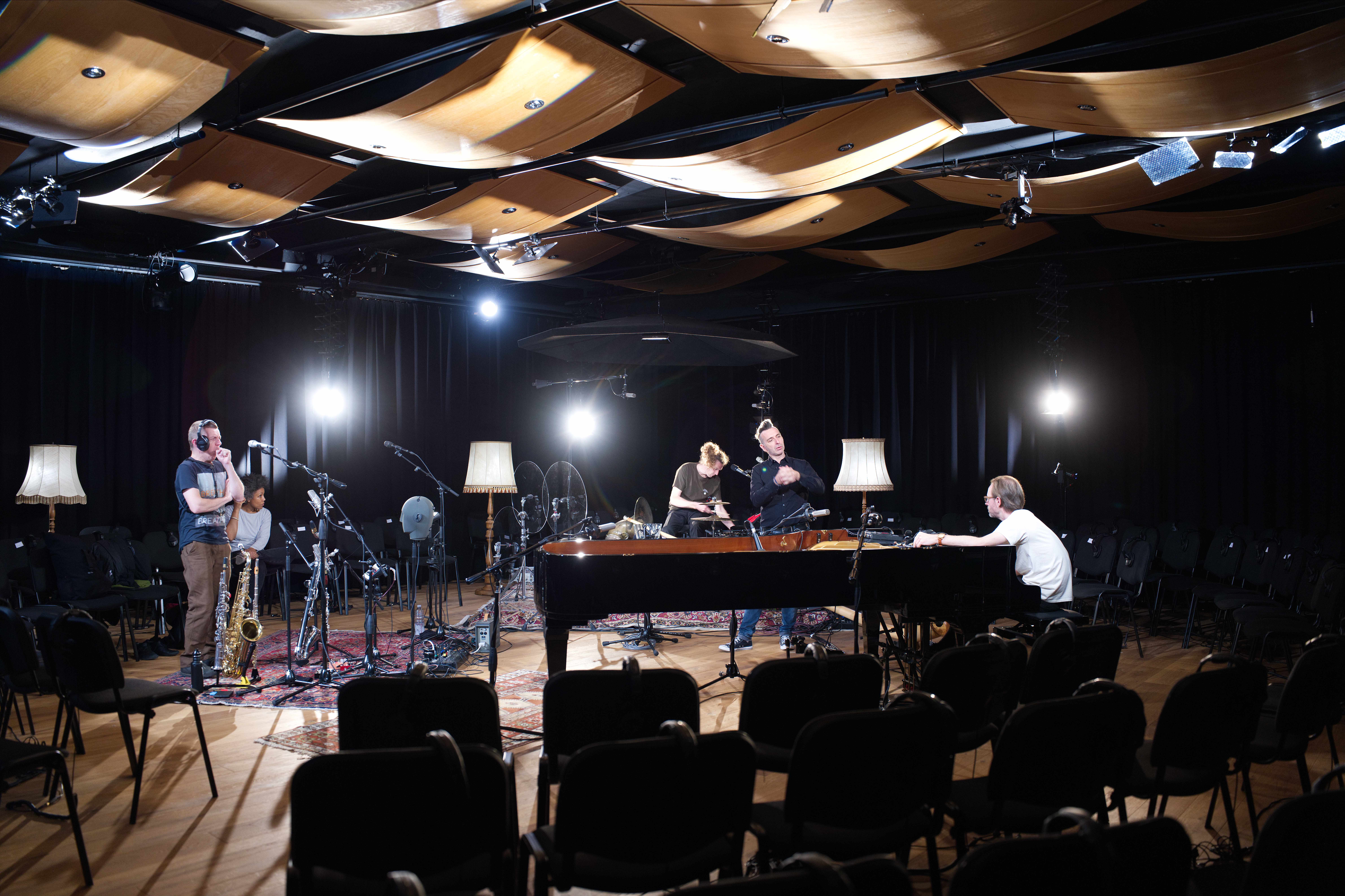
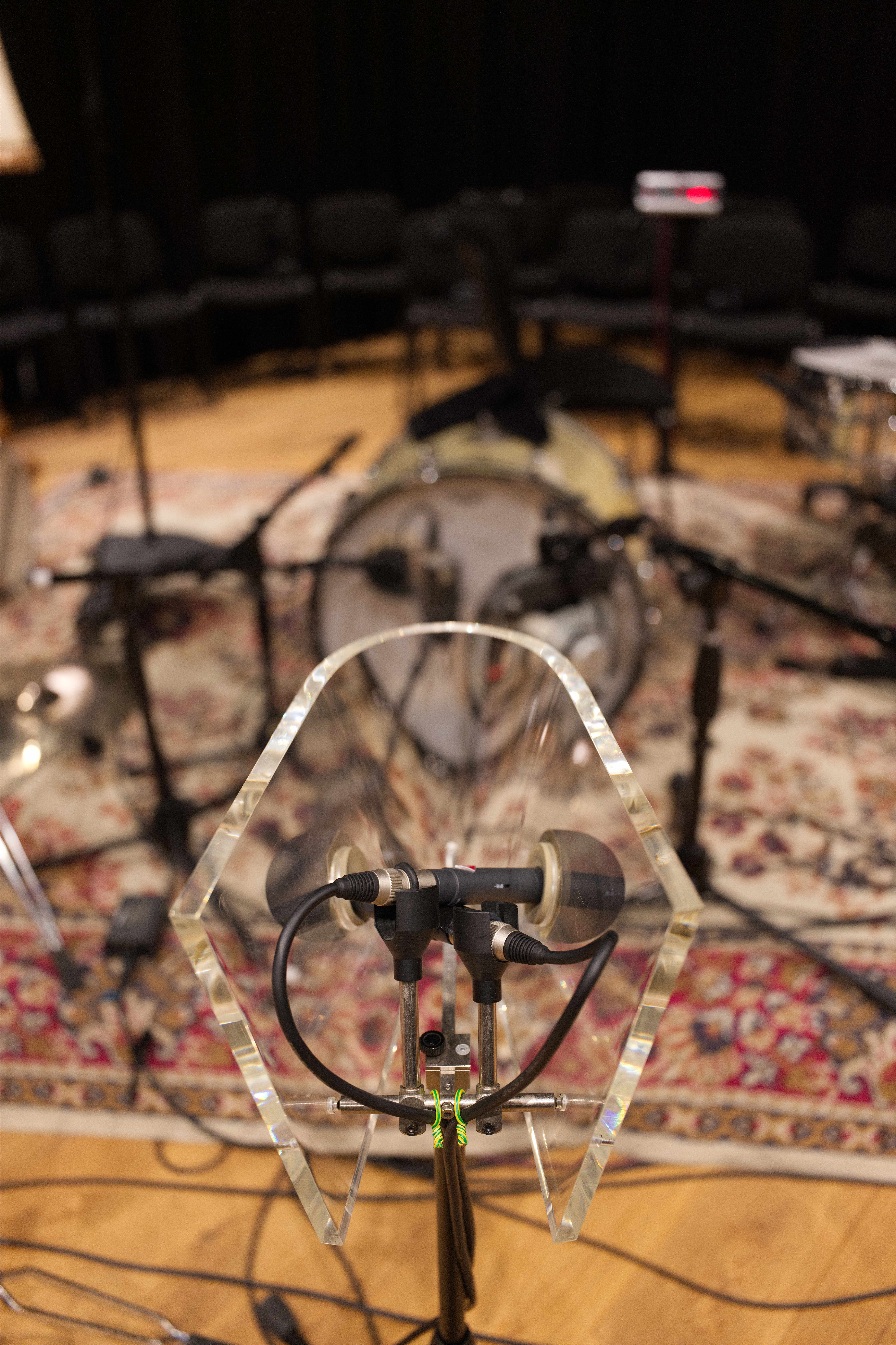
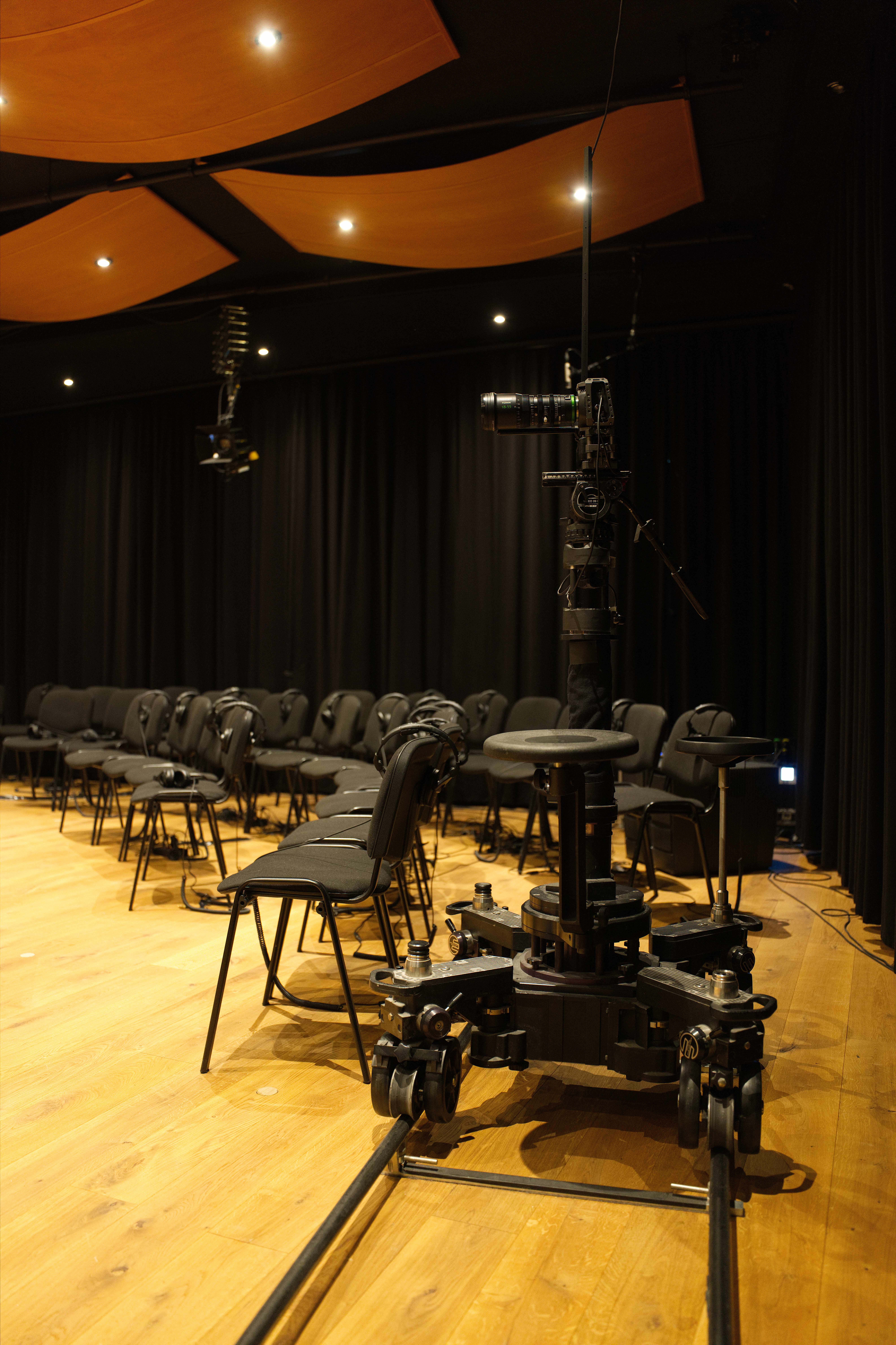
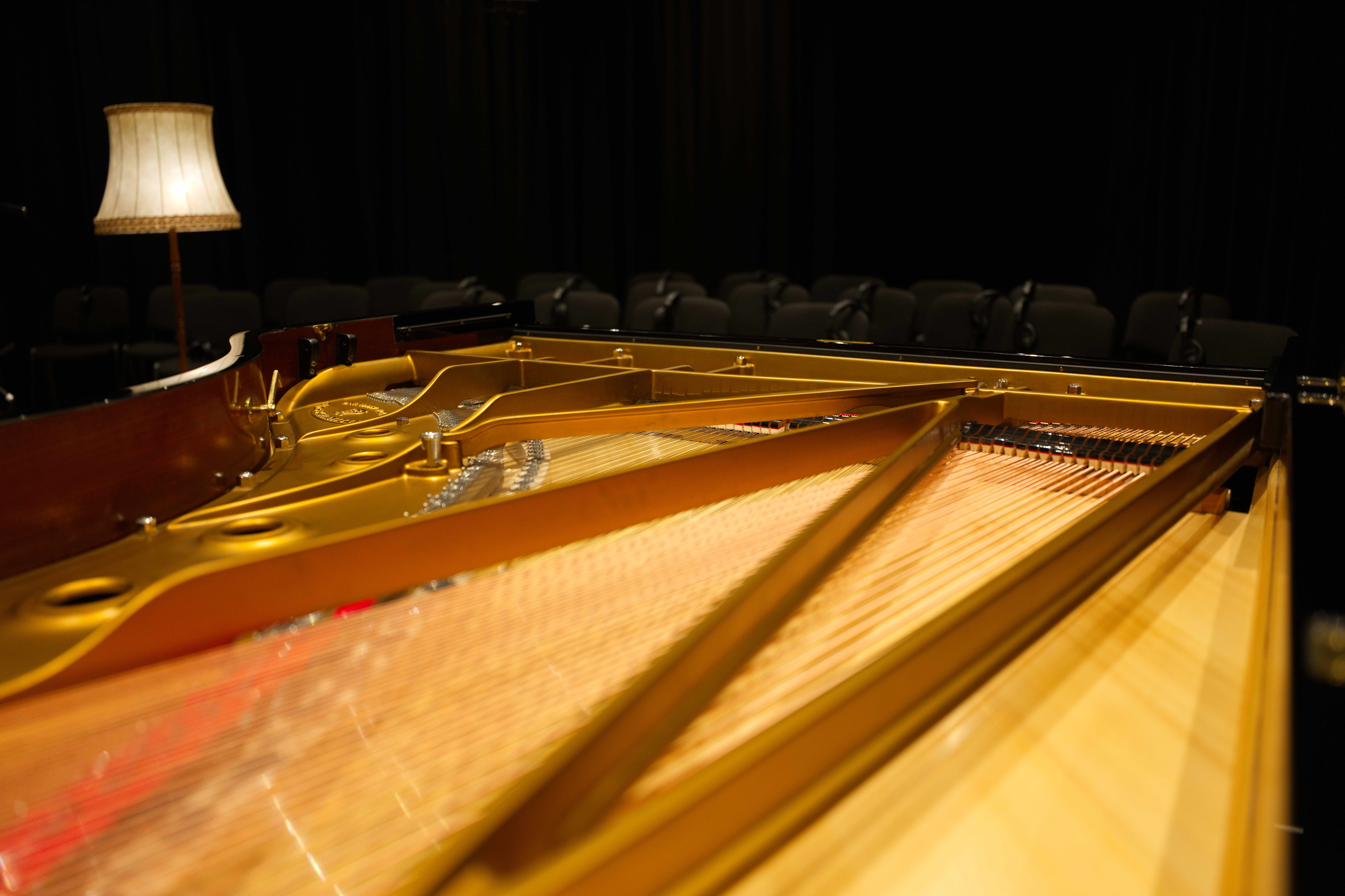
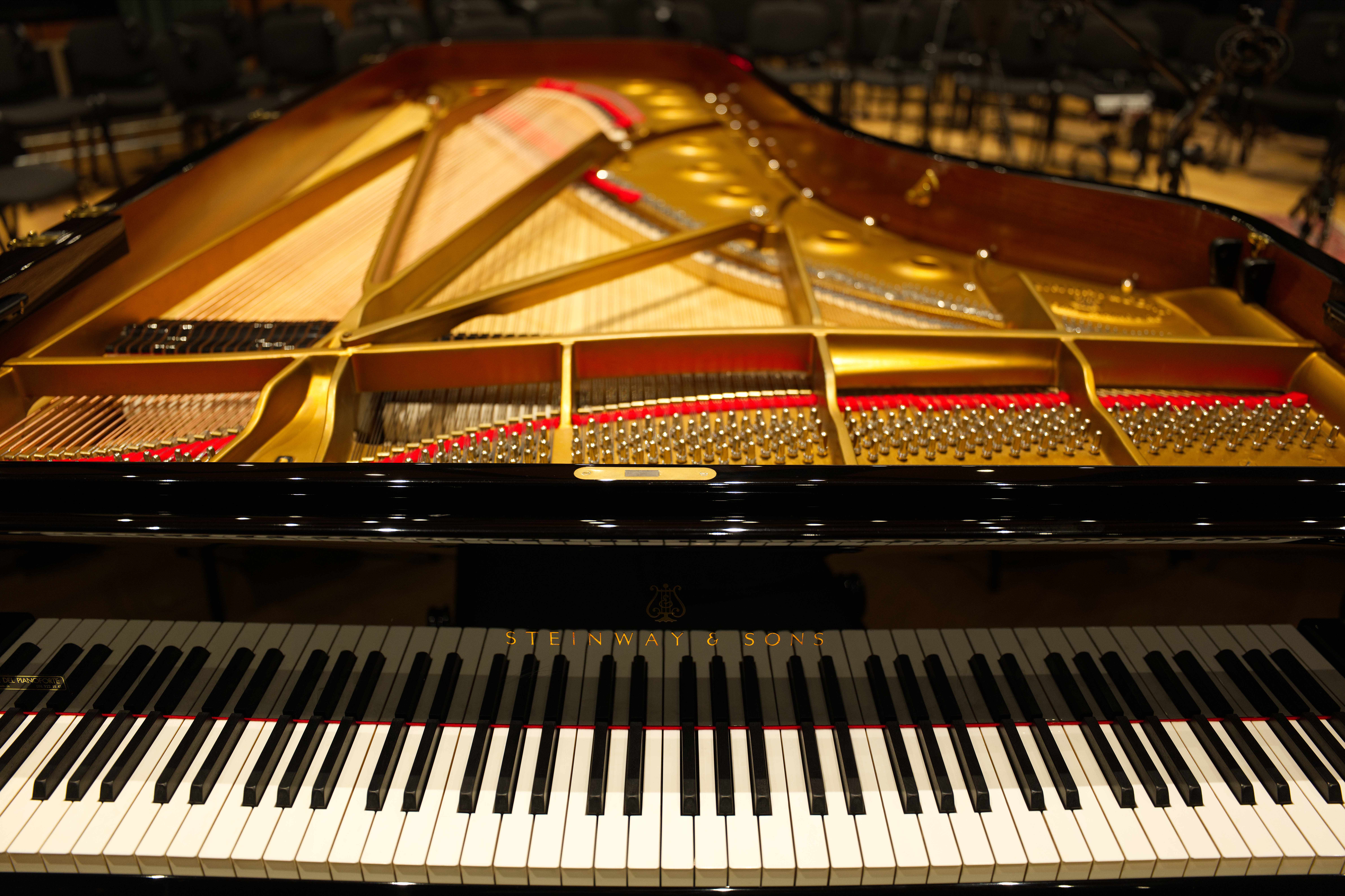
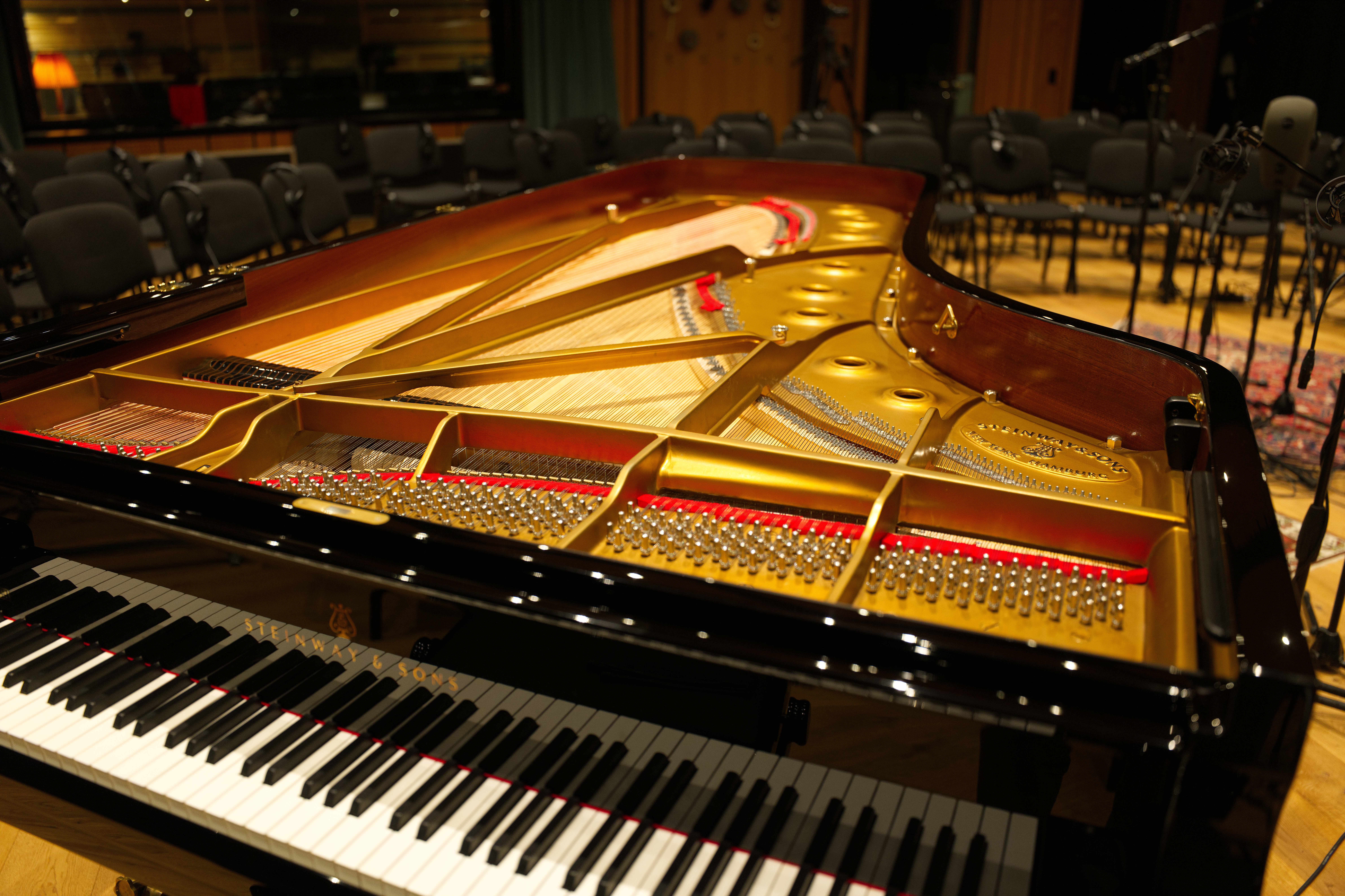
The recording room measures roughly 15 by 15 metres and rises almost 4 metres high, and it leaves the band space in the middle and the listeners all around. Along the tour it becomes clear with what it can be filled. The microphone collection counts Neumann models such as the M 50 and the U 47, plus ribbon microphones from beyerdynamic and equipment from Sennheiser and Austrian Audio, and among the instruments stand a Steinway concert grand, a Hammond organ with Leslie and a Rhodes piano, plus seven drum kits, among them Ludwig sets from 1964 and 1965.
What care Little and his small team bring only becomes apparent when one is allowed to look behind the scenes, and the last room of the tour heightens this impression further. The Magic Room comes last, and in it the circle closes. Records envelop the room from all sides, a Neumann cutting lathe stands in it too, and what I see has little in common with an ordinary recording studio: it is a musical atmosphere that captivates me at once.
It came into being in 2021, when Little sat among cardboard boxes and a gigantic pair of Tannoy loudspeakers in the larger of the two control rooms and decided to turn it into a listening room. He knew, as a drummer who had played in front of bookshelves, that a lot of paper does acoustics good, and when he told his plans to the Liechtenstein entrepreneur and friend of the house Arthur Gassner, the latter offered him part of his record collection on loan. Together with the architect Thomas Burtscher the room came into being, and within a few days almost 50,000 LPs arrived at the house. An acoustician prophesied that walls of records would never work, but Little trusted his instinct, and with concealed absorbers, bass traps and ceiling diffusers the records today contribute to a listening room in which test pressings and mixes are checked, lacquers cut and guests entertained.
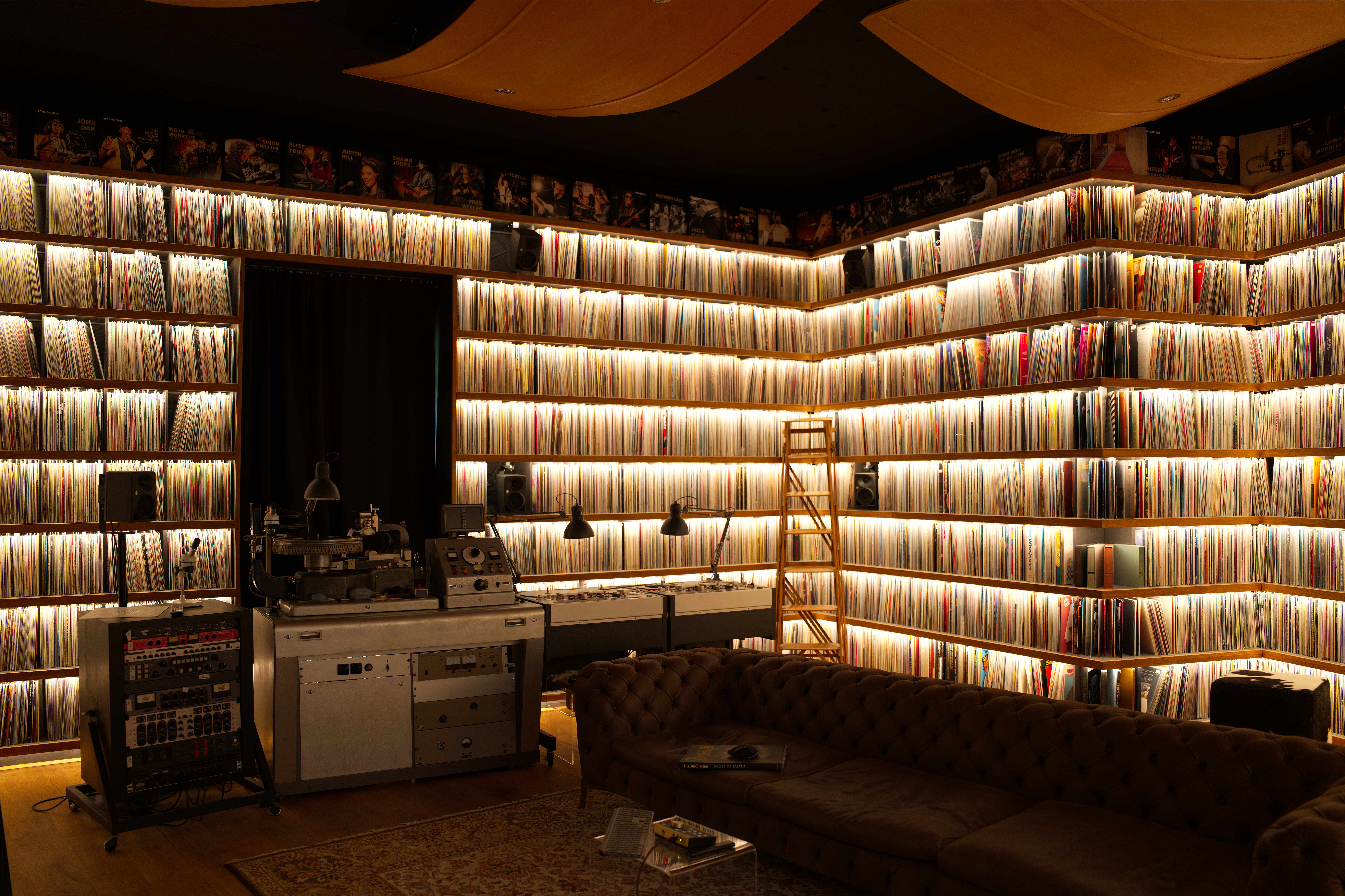
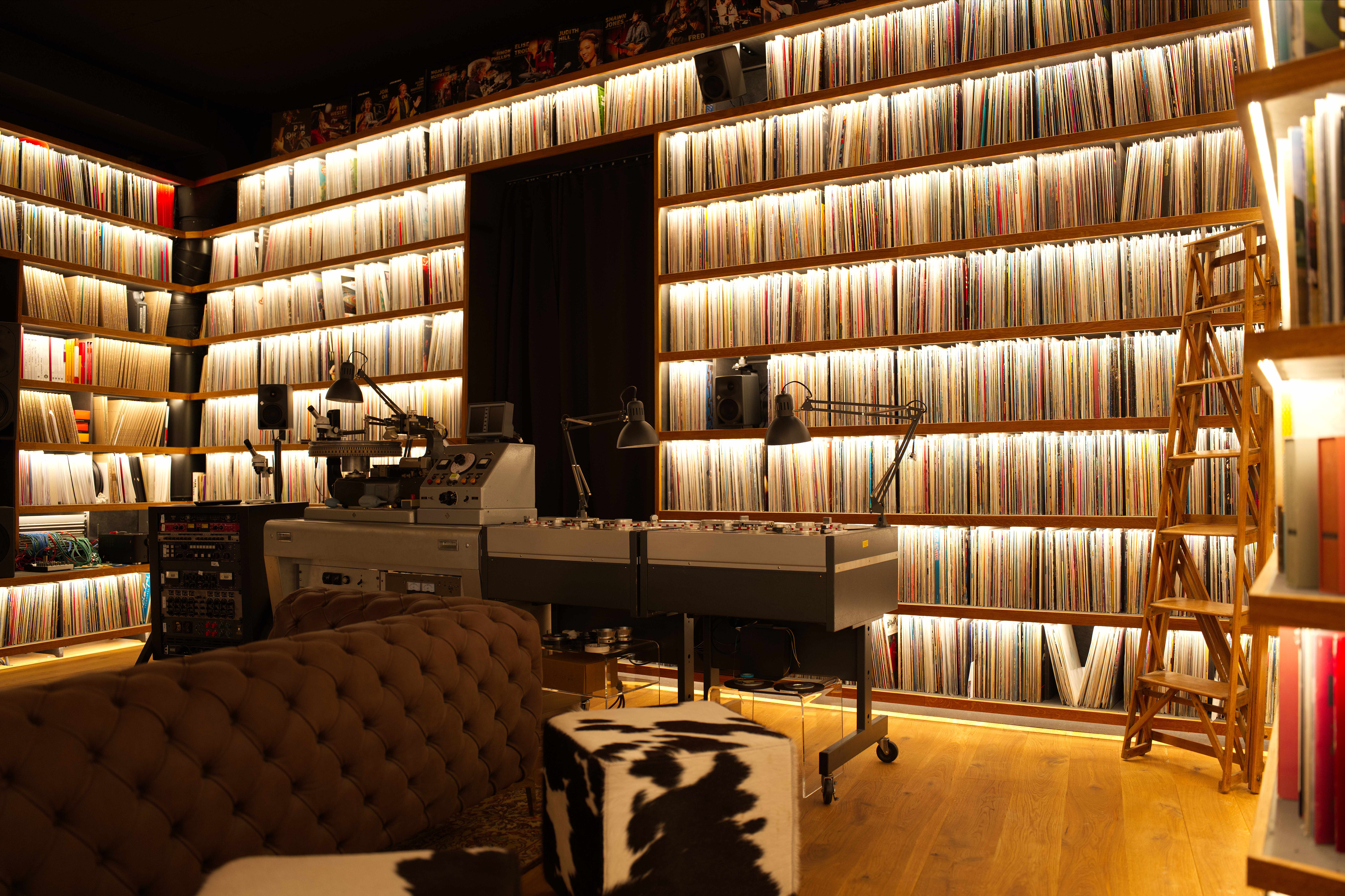
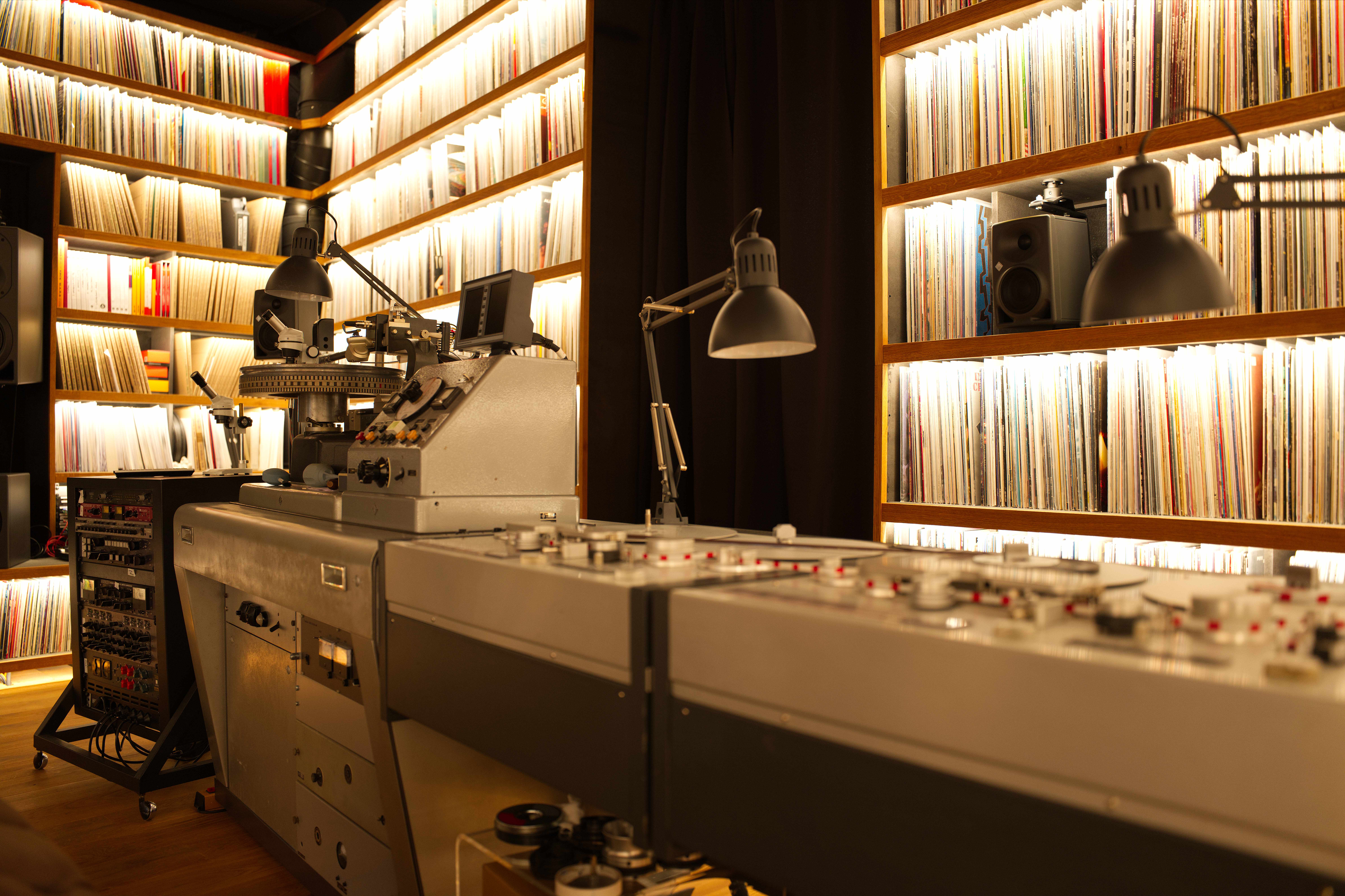
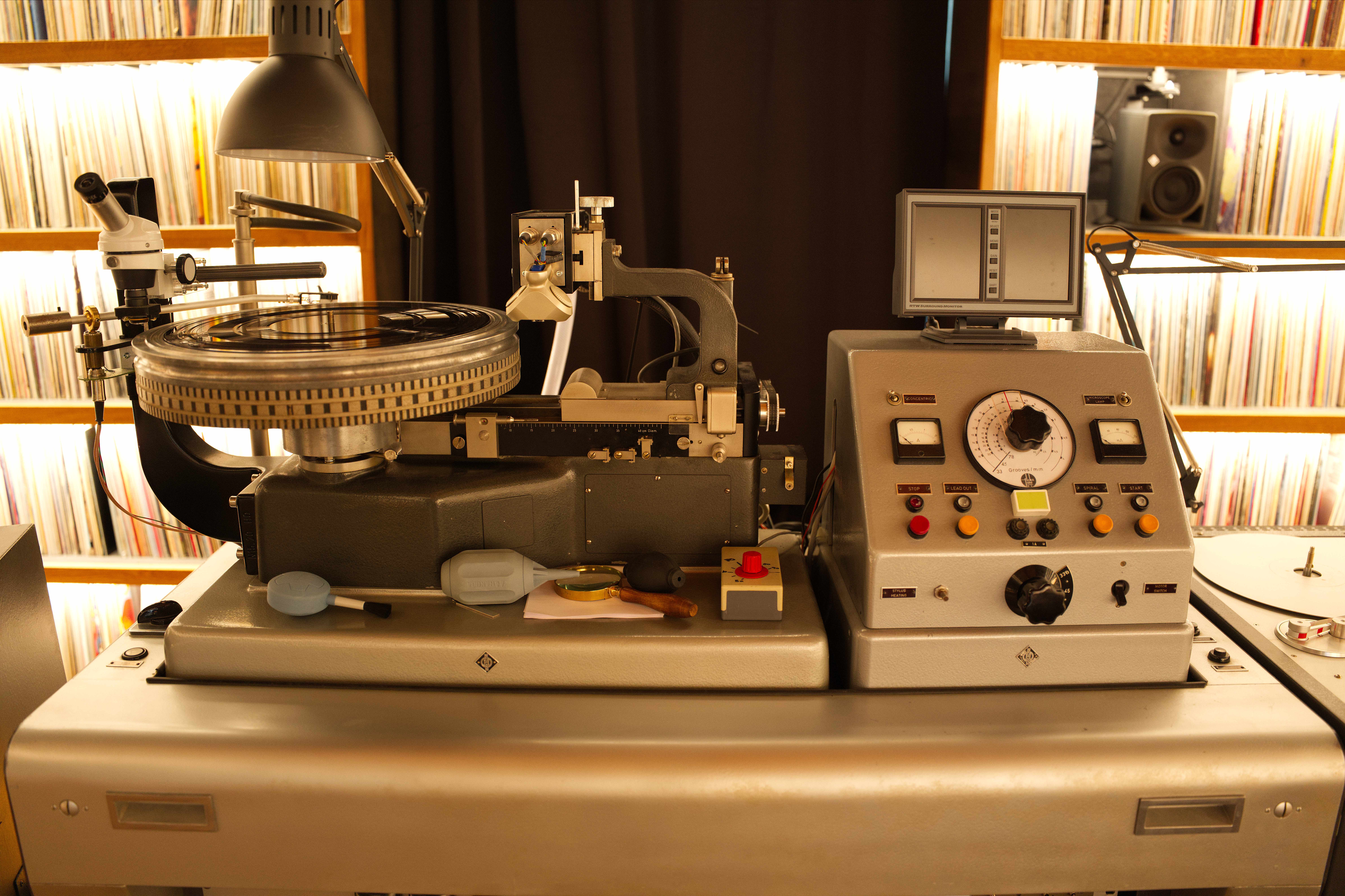
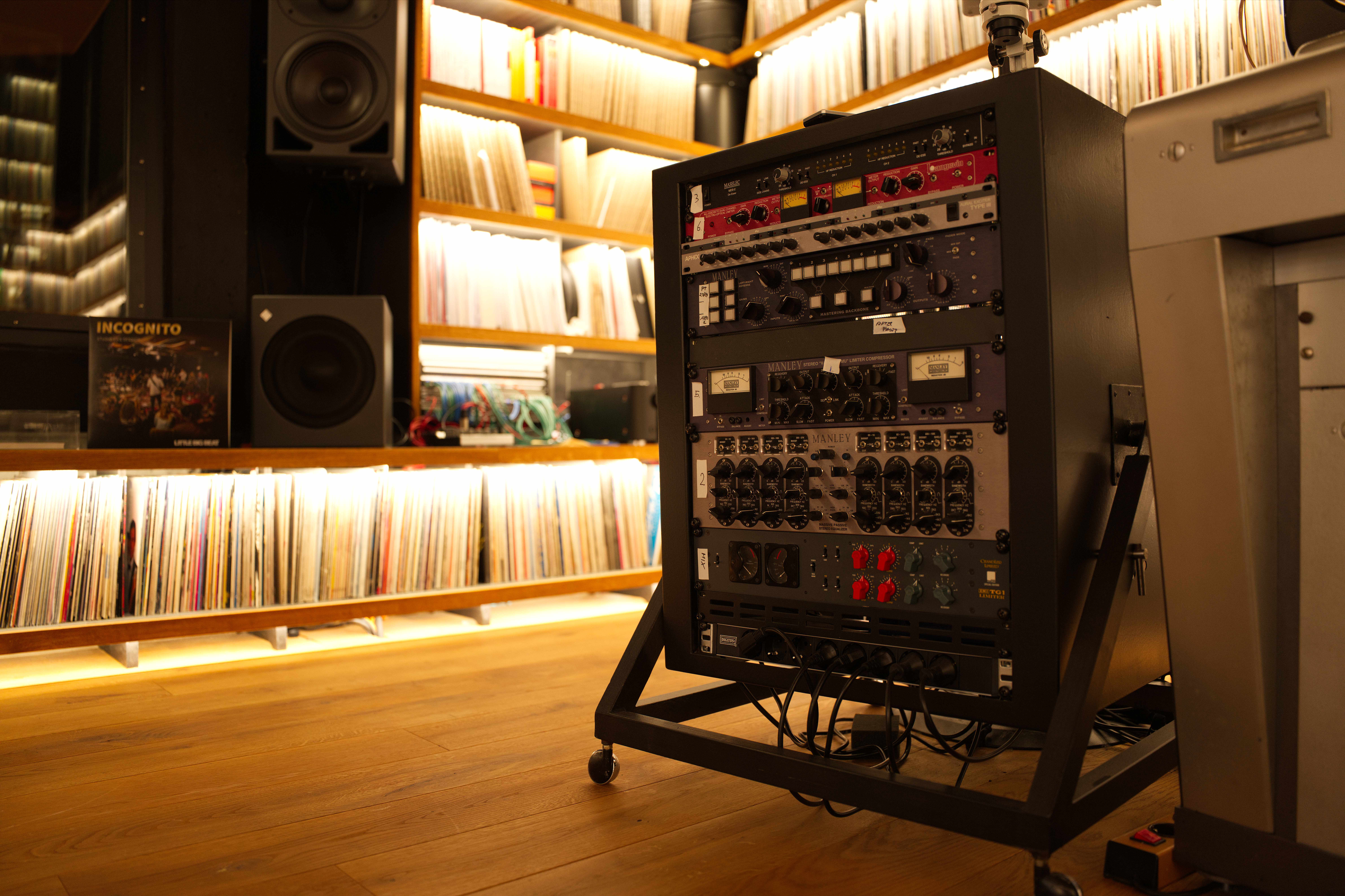
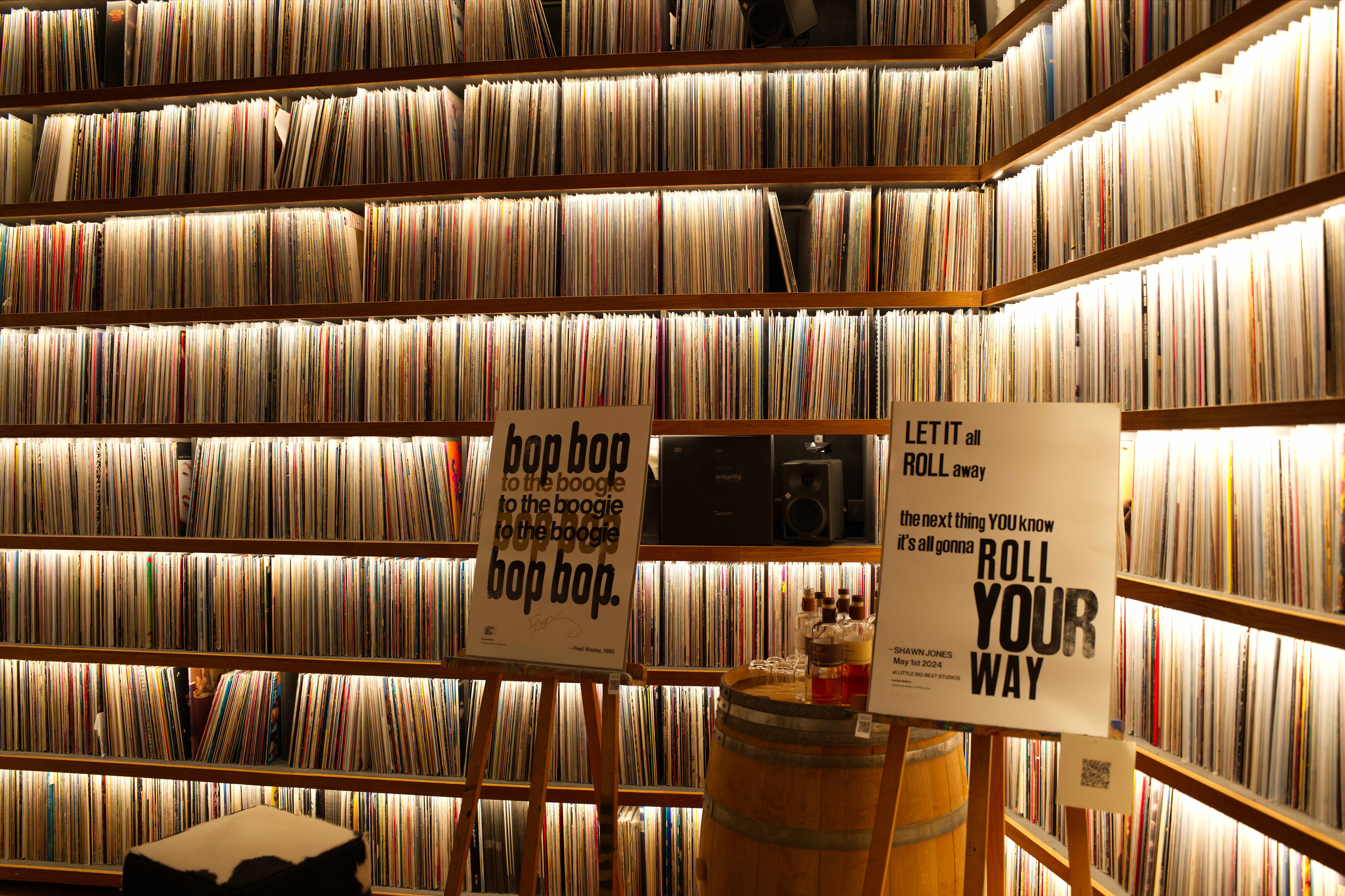
Neumann loudspeakers in stereo and multichannel, nineteen in all, complete the system, and through a large, soundproof pane the view falls into the recording room, so that the creation of the music and its enjoyment lie only a sheet of glass apart. Behind it, in the evening, would stand the band whose rehearsal awaited me.
Afterwards I was allowed to attend the rehearsals. The adjoining recording room, in which shortly before I had still been looking at microphones and instruments, became the musicians’ workplace, soundcheck and rehearsal following one another. Everything that goes with it, from looking after the artists to post-processing, mastering and lacquer cutting, stays in this house and in the hands of a small team, and this density of work steps with so few heads leaves me stunned and speechless.
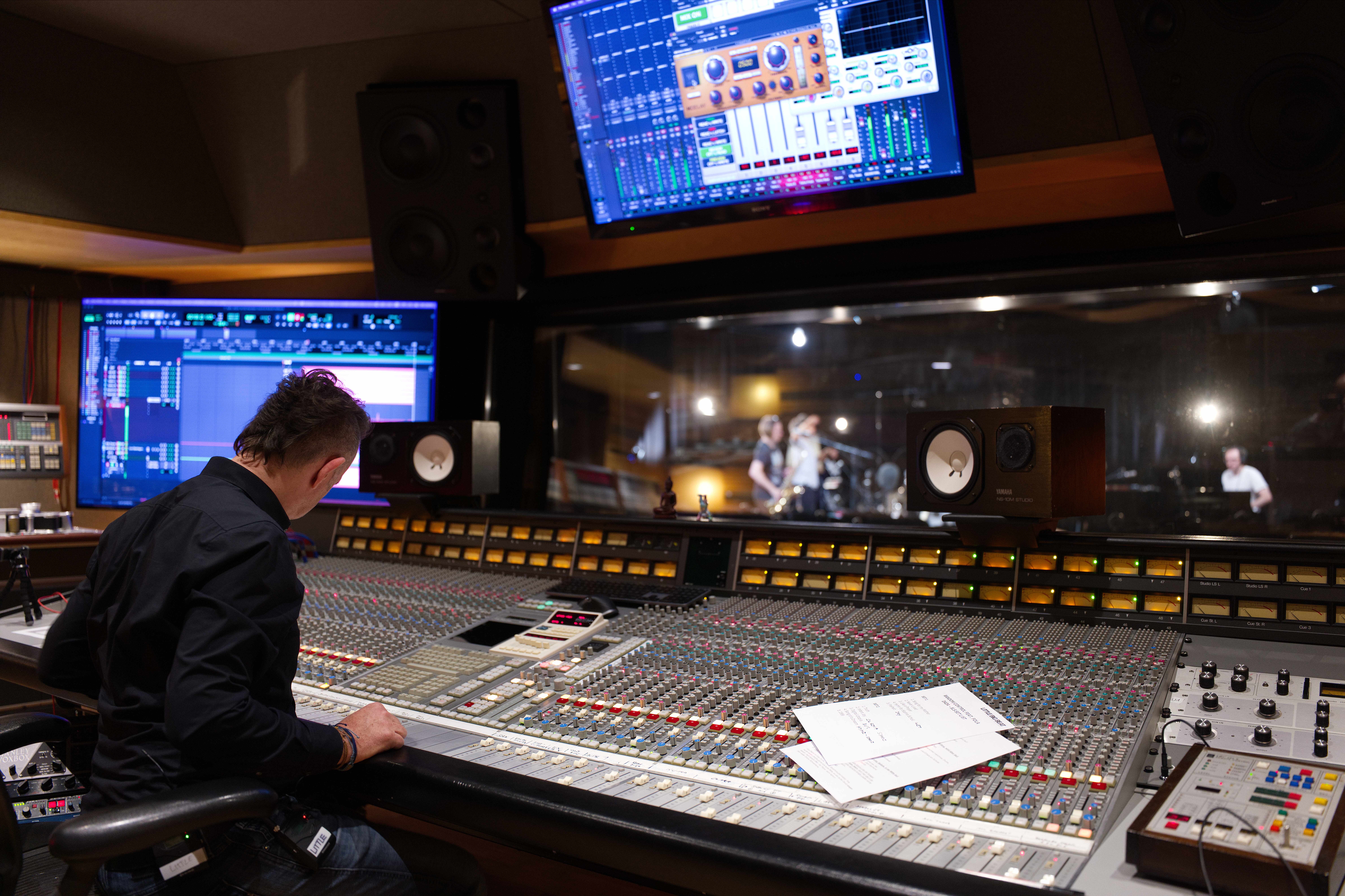
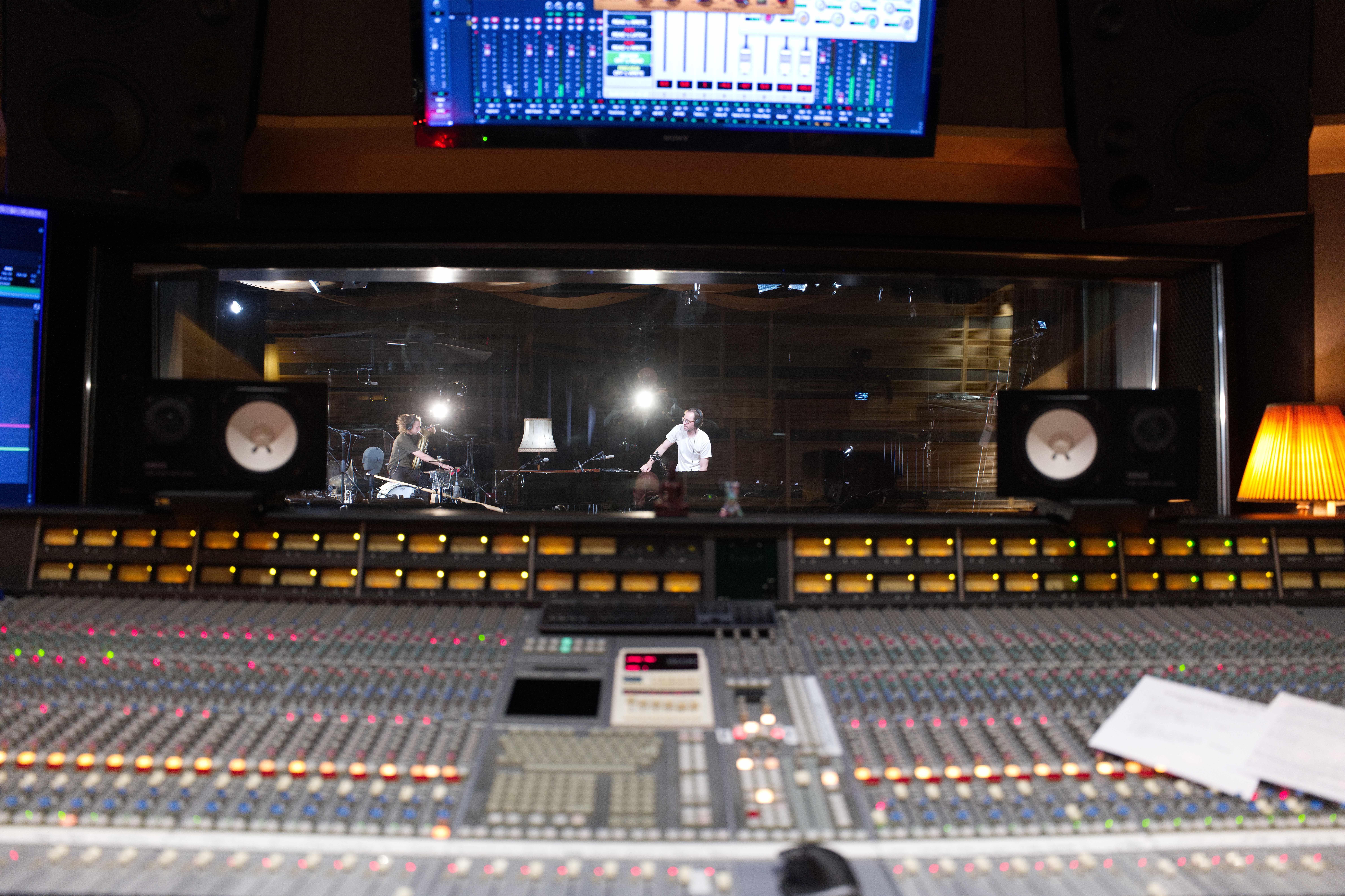
In the evening the room filled, and my seat lay at the left behind the piano, in the circle of listeners that enclosed the band. Fola Dada sang, David Helbock played piano and operated the effects, Andreas Broger blew saxophones, clarinets and flutes, and Johannes Bär had sousaphone, tuba, trumpet, drums and alphorn to manage and contributed beatbox besides.
I was allowed to add my share to the less compressed dynamics of this evening. What arose here depended on four musicians, on a console, on tape machines and on a room whose builders’ care could be seen.
3 October belonged to the conversations. We talked about music, about recording technology and about how audiophiles enjoy their music and how that fits with the habits of those listeners who make no audiophile demands. All involved were approachable, we met on equal terms, and the exchange gave both sides much pleasure.
CONTEXT AND CONCLUSION
What I encountered on both days followed a clear order of priority. First place goes to the heart for music and its performers, then come the audience and the satisfaction of the customers, and only in last place the money that a house of this kind needs, because investments must be made and everyone on the team wants to eat. As a driving force I did not experience it at any point; it remains the necessary evil, for at the core it is about art and the joy in it.
That explains why the house’s recordings aim at the broad mass of music lovers and not at the audiophile public. They are good, but they do not see themselves as audiophile highlights, and whether every release has to be one remains a justified question. To the question about dynamics the house answers with an evening like the one with Random/Control, and the answer is that the chain of console, tape and cutting lathe yields more than most releases ask of it. The technical prerequisites are in place, one would only have to use them, the target group would have to buy the records, and perhaps one day an invitation will come to work with VINYL-CHECK on an audiophile edition.
Little Big Beat is an experience that everyone should have had once: here music is made, one is there live, and in surroundings that could hardly be friendlier and more obliging. Whoever has the opportunity should spend an evening in this house, and I leave it with the best feelings for the team and its achievement and wish everyone that this studio will be with us for a long time yet. Should the audiophile edition ever become reality, I shall review it with due severity, provided I am still let up the stairs after this text.